Anthocyanins
10 uses of natural colour sources
-
Pay attention to colour depth
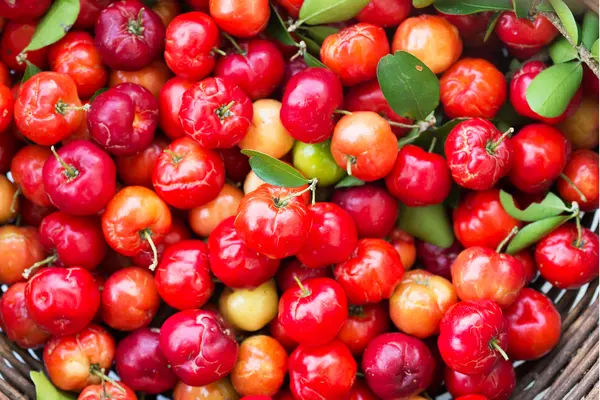
Deliberately choose deep-red, purple and blue fruits and vegetables. Intense colour is often a reliable clue to a high anthocyanin content. This simple shopping tip saves you from having to study nutrition tables.
-
Berry shakes as an everyday trick
Quickly prepare a shake from blueberries, blackberries, raspberries, aronia or cherries with almond, soy, rice or oat milk. It’s handy for on the go and easy to vary. This way you regularly incorporate anthocyanin-rich foods into your diet.
-
Use red cabbage in many ways
Eat red cabbage as a raw salad, steamed, pressed (e.g. with apple and ginger) or lacto-fermented – each variant provides anthocyanins and other plant compounds. The fermented form in particular combines anthocyanins with probiotic benefits.
-
Aronia juice as a quick substitute
If you’re short on time, drink a small glass of aronia juice (e.g. 200 ml). Aronia is among the top sources of anthocyanins and therefore makes a practical daily portion. If needed, you can mix the juice with orange juice to mellow the taste.
-
Include black grains
Use black rice as a side dish or as a base for bowls and salads. It supplies anthocyanins, fibre and minerals and broadens the variety of your grain options.
-
Reach for purple vegetables
Purple cauliflower, purple corn or young purple aubergines with skin are a good choice. These varieties often contain more anthocyanins than their pale counterparts and add variety to the plate.
-
Consume elderberry only processed
It’s best to consume elderberries in the form of syrups, juices or processed products, since raw elderberries can be poorly tolerated or toxic. This way you can safely take advantage of their high anthocyanin concentration.
-
Combinations for a broader nutrient spectrum
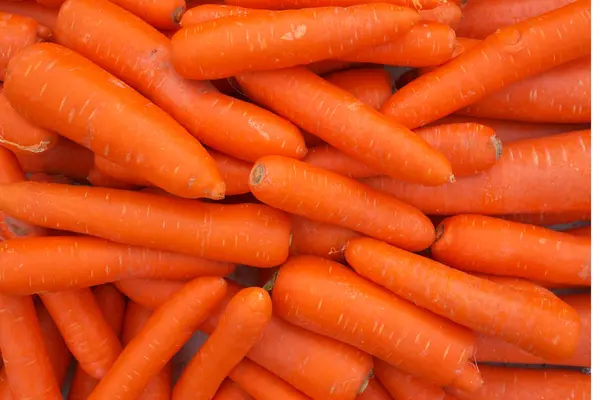
Combine anthocyanin-rich sides with other plant-based nutrient sources, for example sweet potato gnocchi with red cabbage salad, to take in anthocyanins and carotenoids together. Such combinations broaden health benefits through diverse plant compounds.
-
Decoration with edible flowers
Use edible, anthocyanin-rich flowers such as pansies, mallows or chive blossoms as garnish. They not only beautify dishes but also provide additional plant compounds. Pay attention to organic origin and safety.
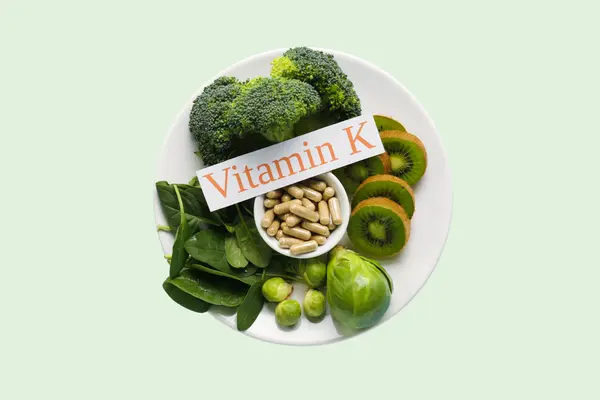
- Use supplements selectively
If you rarely eat anthocyanin-rich foods, standardized extracts in capsule, tablet or powder form can be an option. Pay attention to verified quality and a clear origin.