Wishlist

Wound Care & Disinfection
Wound care and disinfection are core elements of first aid and routine home care for minor skin injuries. This category brings together practical items for cleansing, protecting and reducing infection risk after cuts, scrapes and other small wounds. Antiseptic solutions, sterile gauze, plasters and wound dressings support straightforward and hygienic care. Product details include skin compatibility, sterility and clear usage guidance. If redness persists, pain increases, discharge appears or fever develops, professional medical advice is recommended. The selection focuses on everyday usability: simple handling, concise instructions and safe materials suited for family, sport and first-aid situations. Guidance on dressing changes, wound cleaning and disposal of used materials completes the information, aligned with Swiss hygiene practice and sensible risk prevention.
10 tips for quick and proper wound care
Wounds are part of everyday life, but not every injury heals by itself. With the right care, infections can be avoided and the skin optimally protected. Especially in a busy everyday life it is important to act quickly and correctly. But which steps are most important for safe wound care?
Scarlet fever
10 measures to effectively manage a common childhood infection
Atopic dermatitis
Bring your skin back into balance with these 10 tips

Wound care & disinfection – practical products for everyday first aid
Effective wound care and disinfection help prevent infection and support uncomplicated healing. Common products include skin antiseptics, sterile gauze and compresses, adhesive plasters, bandages and absorbent dressings. The right choice depends on wound type and exudate level.
Initial first aid typically involves rinsing the wound with clean water to remove dirt and debris. If needed, a mild antiseptic solution can be applied, followed by drying with sterile gauze and dressing the wound. Antiseptics come in several classes (for example chlorhexidine or povidone-iodine); skin sensitivity and any known allergies should be considered when selecting a product.

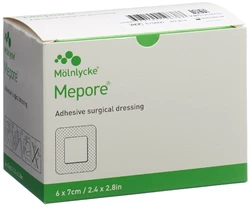
Dressings range from small adhesive plasters for minor cuts to larger compresses and bandages for more extensive wounds. Hydrocolloid or absorbent dressings are options for low- to medium-exuding wounds. Packaging indicates recommended duration of use and storage conditions. Sterile items should be used before their expiry date and stored in a dry, clean place.

Practical measures improve safety: change dressings in a clean environment, inspect the wound regularly for signs of infection (increasing redness, warmth, swelling, purulent discharge or fever), and follow product instructions for application and disposal. For deep wounds, heavy bleeding or wounds with embedded debris, seek professional medical care. Products in this category are selected for everyday practicality and compliance with standard hygiene considerations in Switzerland.
How should a small cut be cleaned?
Which antiseptic is suitable for skin?
How often should a dressing be changed?
When is medical attention necessary?
Are antiseptic ointments always required?
How should sterile gauze and plasters be stored?
What products suit children with sensitive skin?
How to dispose of used wound dressings safely?