
Natural Remedies
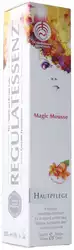


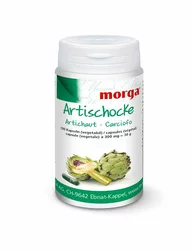
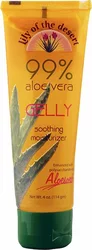
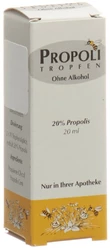

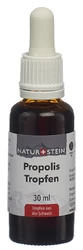

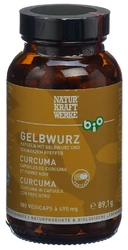
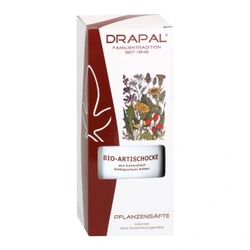

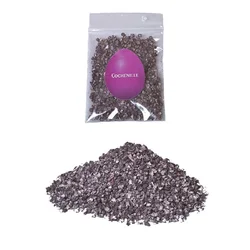





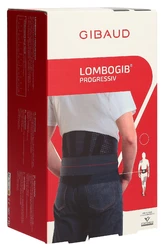
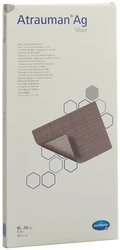
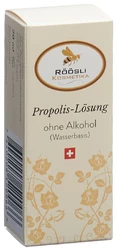
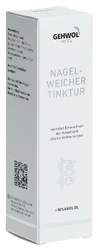
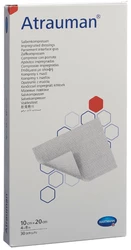
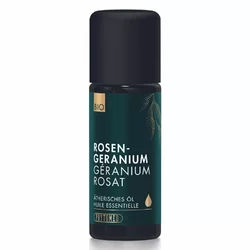

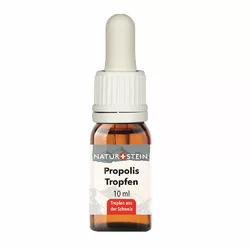
Natural Remedies: practical plant-based and traditional approaches for everyday wellbeing
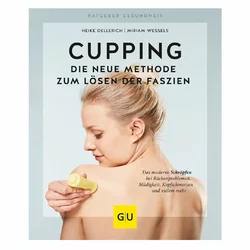
Natural remedies cover a spectrum from phytotherapy and essential oils to topical applications and manual therapies such as massage. Their common purpose is to support wellbeing and relieve minor, transient complaints rather than treat serious conditions. In Switzerland, products are classified differently depending on composition and intended use: some are regulated as herbal medicinal products, others as food supplements or cosmetics. Reference to Swissmedic and local guidelines can clarify the applicable regulatory framework.
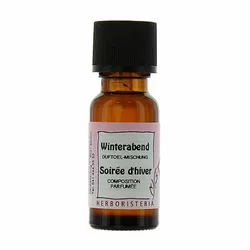
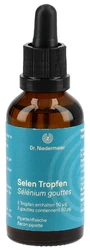
Quality assurance matters: standardized extracts, laboratory testing and traceable sourcing improve reliability. Labels should provide active ingredient concentrations, recommended dosages and potential contraindications. Some essential oils and herbal extracts are not suitable for pregnant people, young children or individuals with specific health conditions. Awareness of these limitations supports responsible use.
Practical advice: choose products with transparent ingredient lists and instructions, adhere to recommended doses, perform patch tests for topical items, and avoid unmonitored combinations with prescription medication. Natural remedies often complement lifestyle measures such as sleep hygiene, nutrition and stress management, and can be part of an integrative self-care strategy when used appropriately.
Evidence varies across remedies: some plant extracts have randomized clinical data, others rely mainly on traditional use and observational studies. Product information should reflect scientific support where available and clearly state limitations. For digital categorization and marketing, sorting by use case (sleep, digestion, skin), format (oil, tincture, capsule) and regulatory status helps users find suitable, compliant options efficiently while maintaining transparency about benefits and risks.