
Fragrances & Perfumes
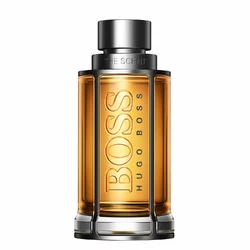


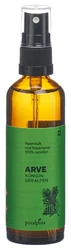
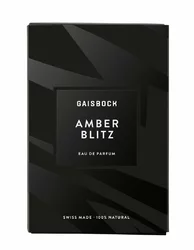
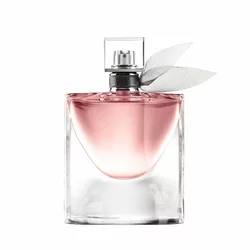
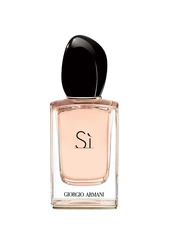
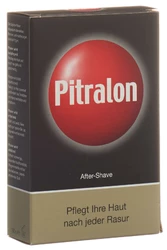
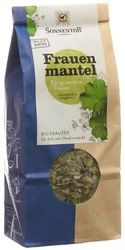
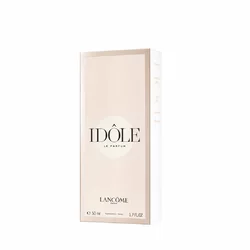
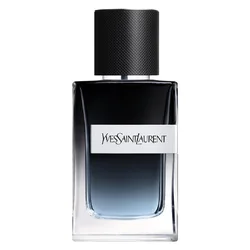
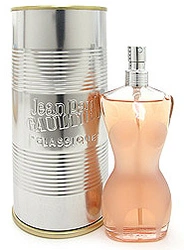
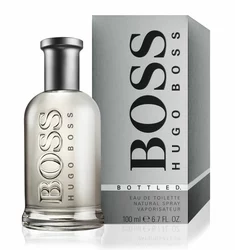
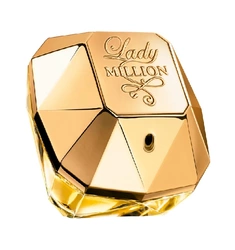

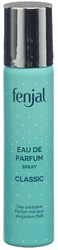
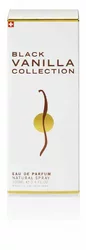
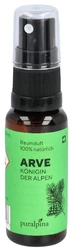
Fragrances & Perfumes — tolerance-focused selection with pharmacy-grade information
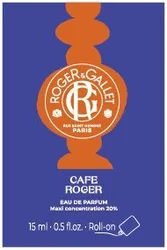
Fragrances are composed of multiple aromatic ingredients, solvents and fixatives that together create a scent profile. Product categories range from light formulations (eau de cologne, eau de toilette) to more concentrated ones (eau de parfum, parfum), which affects projection and durability on the skin.
Tolerance and ingredient transparency are key selection criteria. Product labelling should provide a full INCI list (International Nomenclature of Cosmetic Ingredients) and disclose declared fragrance allergens such as linalool, limonene, geraniol, citronellol and citral. Individuals with known sensitivities should choose products with complete labelling and perform a small patch test before regular use.
Storage and shelf-life are practical considerations: fragrances should be kept in a cool, dark place and the bottle tightly closed to prevent degradation. The PAO (period after opening) symbol indicates recommended use duration after opening (for example, 12M = 12 months). Hygiene measures such as avoiding direct contact between applicator and skin reduce contamination risk.
Application advice: apply sparingly to pulse points (wrists, behind ears, inner elbow) and avoid rubbing wrists together to prevent altering the scent. Layering compatible scented products (e.g. matching body lotion and perfume) may extend longevity while preserving the intended character of the fragrance.
Sustainability and material sourcing are increasingly relevant. Recyclable packaging, responsibly sourced natural ingredients and controlled synthetic alternatives can balance environmental concerns with product stability and hypoallergenic formulation possibilities. Pharmacies serve as reliable points of information for sample trials, ingredient clarification and advice on choosing lower-allergen or fragrance-free options where appropriate.
In case of persistent irritation or allergic reaction, consultation with healthcare professionals is recommended. Swiss cosmetic labelling generally follows European standards, ensuring consumers have access to necessary ingredient and allergen information to make informed, safety-conscious choices.