Vitamin K
10 simple ways to achieve inner stability
-
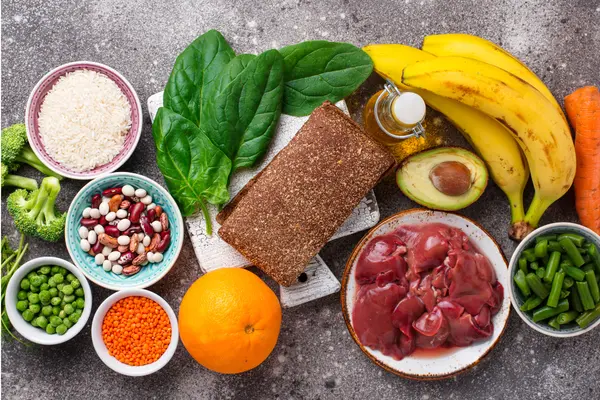
Eat targeted, vitamin-rich foods
Regularly reach for dark green leafy vegetables such as kale (817 µg/100 g), spinach (305 µg/100 g) or lettuce (109 µg/100 g). Brassicas like broccoli and Brussels sprouts are also rich in vitamin K.
-
Use fresh herbs as a booster
Sprinkle fresh herbs like chives or watercress over soups, salads or quark regularly – even small amounts improve daily intake.
-
Incorporate legumes into your meals
Legumes are convenient vitamin K sources: chickpeas, mung beans and lentils work well in salads, stews or as a side dish.
-
Use high-quality vegetable oils wisely
They not only add flavour but also supply vitamin K, for example grapeseed oil, rapeseed oil or soybean oil. Use them for dressings or to finish dishes.
-
Combine vitamin-K foods with fat for better absorption
Because vitamin K is fat-soluble, you should eat green vegetables with some fat, e.g. spinach with a drizzle of olive or rapeseed oil or a slice of avocado, so your body can make optimal use of the vitamin.
-
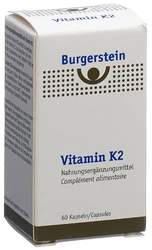
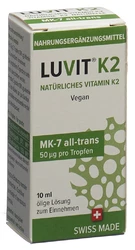
Distinguish between vitamin K1 and K2
Pay attention to the forms: K1 occurs mainly in green vegetables, K2 in fermented foods and certain cheeses. K2 remains in the body longer and can be particularly beneficial for bone health.
-
Support your gut flora with fermented foods
Part of the requirement is covered by gut bacteria. Regular consumption of yoghurt, sauerkraut or kimchi and a fibre-rich diet can support the gut flora and thus indirectly improve vitamin K supply.
-
Be aware of interactions with medications
Antibiotics and anticoagulant medications can affect the balance of vitamin K. Inform your treating physicians about changes in your diet or the use of new preparations.
-
Pay attention to storage and preparation
Vitamin K is sensitive to light and heat. Store green produce and oils in a cool, dark place. Also bear in mind that nutrient values can differ between raw and cooked vegetables (e.g. broccoli: raw 155 µg/100 g, cooked 270 µg/100 g).
- Follow the recommended daily amounts
On average, adults need about 70–120 µg of vitamin K per day. Always take your individual situation into account (medications, health conditions).