Vegan Nutrition
10 points for a conscious diet without animal products
-
Plan for sufficient plant-based protein
Use a variety of protein sources such as lentils, beans, chickpeas, tofu, quinoa and nuts. By combining different plant foods you ensure you obtain all essential amino acids.
-
Supplement vitamin B12 intentionally
Since plant foods provide only small amounts, you should obtain vitamin B12 through supplements or fortified products to avoid deficiency symptoms.
-
Optimise iron absorption
Plant-based iron is found for example in spinach, whole grains or legumes. Combine these foods with vitamin C-rich items like peppers or orange juice to significantly improve iron uptake.
-
Secure your zinc supply
Focus on wholegrain products, oats, pumpkin seeds and soybeans. Avoid drinking coffee or tea with meals, as these can inhibit zinc absorption.
-
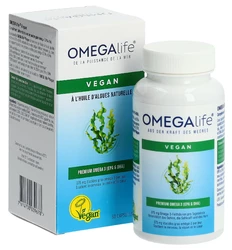
Choose omega‑3 fatty acids deliberately
Use flax, hemp or chia seeds as well as walnuts or rapeseed oil to meet your needs. These fatty acids are otherwise mainly obtained from fish.
-
Vitamin D from sunlight and mushrooms
Sun‑dried mushrooms contain substantial amounts of vitamin D. When sunlight is limited, plant‑based vitamin D supplements can also help maintain adequate levels.
-
Combine calcium sources smartly
Calcium‑rich mineral water, broccoli, kale and nuts provide important calcium for bones and teeth. This helps ensure that avoiding dairy products does not lead to deficiencies.
-
Be mindful of vitamin B2 intake
Good plant sources of vitamin B2 include almonds, fresh mushrooms and dill. Alternatively, supplements can help meet daily requirements.
-
Critically evaluate convenience products
Do not rely solely on meatless convenience products, as they often contain high amounts of salt and additives. Read ingredient lists carefully and prefer fresh, minimally processed plant foods to ensure a healthy, balanced diet.
- Structure your diet according to the vegan pyramid
Plan your meals according to the vegan pyramid: beverages form the base, followed by vegetables, fruit, whole grains, nuts, legumes and healthy oils.