
Batteries & Rechargeables

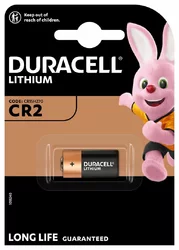
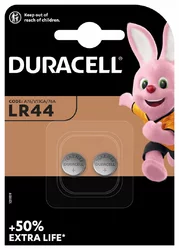
Batteries for devices – safe selection, storage and disposal in Switzerland
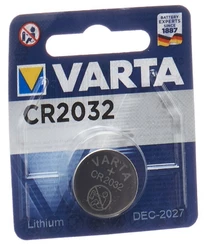
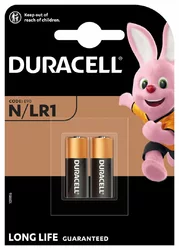
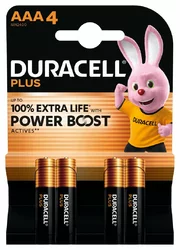
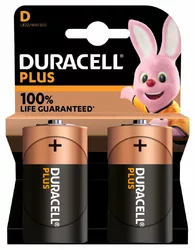
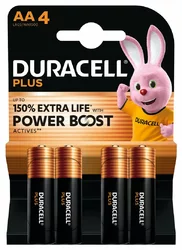
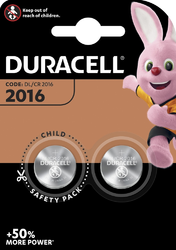
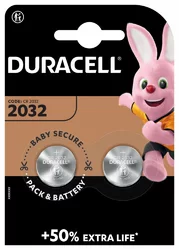
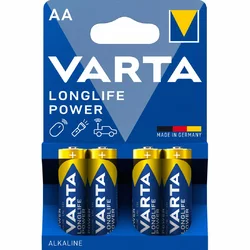
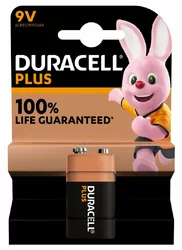
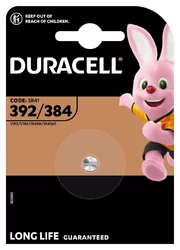
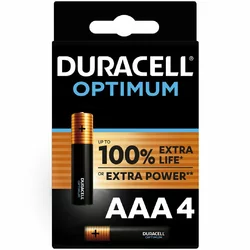
Common battery formats include cylindrical cells (AA, AAA), button or coin cells used in watches or small electronics, primary lithium cells and rechargeable batteries such as NiMH and lithium-ion. Each chemistry differs in nominal voltage, capacity (mAh) and discharge characteristics; the right choice depends on device requirements and usage patterns.
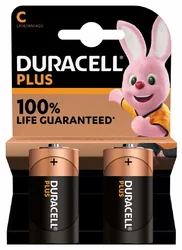
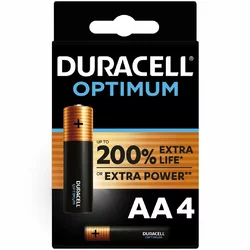
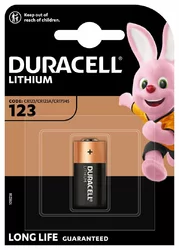
Alkaline cells are suitable for low-to-moderate drain devices and offer good value for general use. Lithium primary cells deliver higher energy density, longer shelf life and stable voltage under load — useful for cameras, some medical devices and applications in cold environments. Rechargeable batteries are cost-effective and environmentally preferable for frequent use, but require compatible chargers and correct charging practices to ensure longevity.
Safety and handling: store batteries in a cool, dry place and out of reach of children. Button cells pose a particular ingestion hazard and require careful storage and disposal; ingestion demands immediate medical attention. Damaged, swollen or leaking batteries must not be used — avoid direct contact with leaks and bring such batteries to appropriate collection points. Lithium batteries are sensitive to mechanical damage and overheating; transport and storage should follow applicable safety guidelines.
Disposal and recycling: in Switzerland batteries must not be thrown in household waste. Retailers, municipal collection points and specialized recycling facilities accept used batteries. Before disposal, insulating exposed terminals reduces the risk of short circuits. For large quantities or defective lithium batteries, specialized collection services should be contacted.
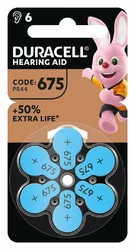
Practical advice: always observe polarity markings, avoid mixing old and new cells or different chemistries in the same device, and consult device documentation for recommended battery types. For medical devices such as blood glucose meters or hearing aids follow the manufacturer’s instructions, and seek professional assistance for battery replacement if required. For questions about compatibility, safety or recycling options, professional counselling is advisable.