
Reading Glasses & Accessories


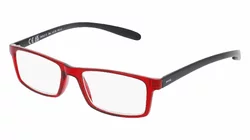
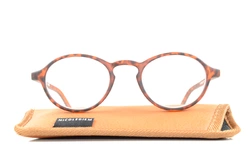
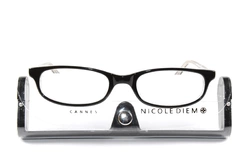
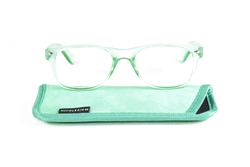
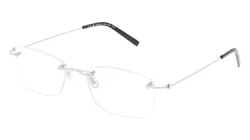
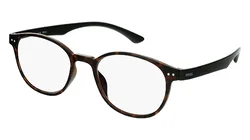
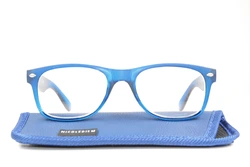
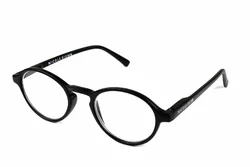
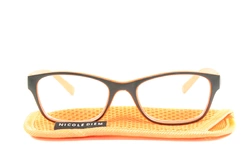
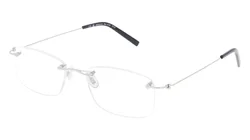
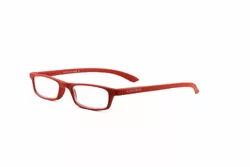
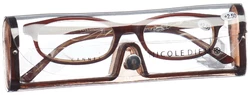
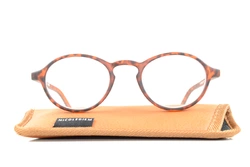

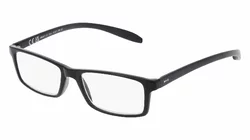
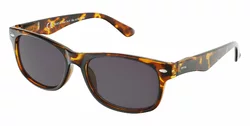
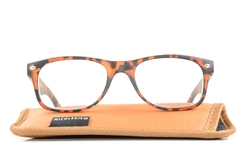
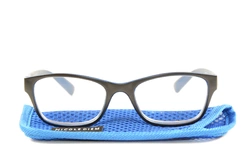
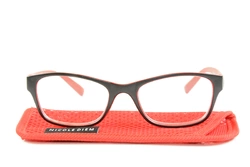
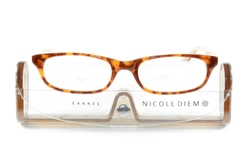
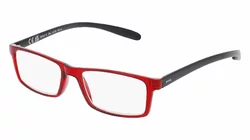

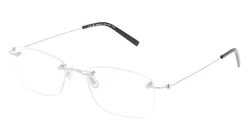
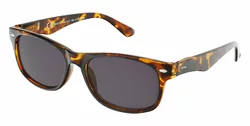

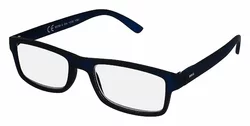
Reading glasses & accessories — practical near‑vision aids for daily use
Reading glasses are immediate aids for near vision. Standard strengths typically range from +0.50 to +3.50 diopters. Ready‑made readers are suitable for tasks such as reading books, newspapers or doing precise manual work. For long‑term wear, differing needs between eyes, or regular screen work, a professional assessment is advised.
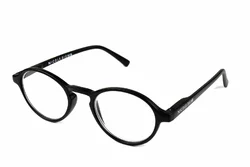
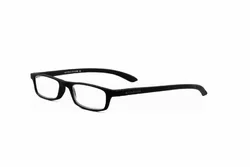
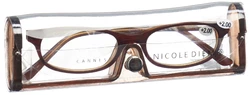
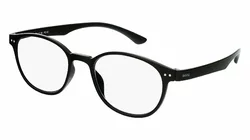
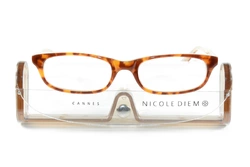
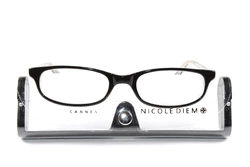
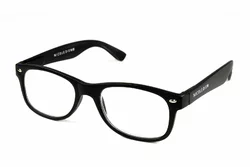
Choice depends on strength, frame shape and material. Lightweight plastic frames are practical and compact. Metal frames often allow finer adjustments at the nose pads. Folding and half‑frame designs are convenient for carrying. Lens options such as anti‑scratch and anti‑reflective coatings improve comfort; some readers include light blue‑light filters, though for extended digital screen exposure tailored solutions are preferable.
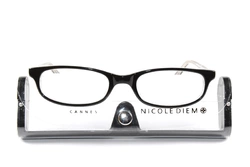
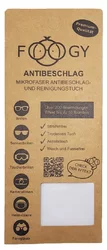
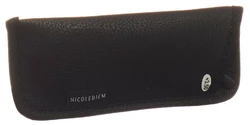
Accessories protect and prolong the life of readers. A rigid case prevents crushing and scratches. Microfiber cloths clean lenses gently. Small repair kits, replacement nose pads and retainer cords help maintain fit and function. Cleaning with lukewarm soapy water and drying with a microfiber cloth is recommended; avoid harsh chemicals and paper tissues.
From a safety perspective, over‑the‑counter reading glasses are visual aids and are not a substitute for a full eye examination. Sudden vision changes, double vision or eye pain require prompt professional evaluation. For complex prescriptions, progressive lenses or workplace‑specific corrections, an optician’s measurement and fitting are necessary. Clear information on strengths, care and intended use helps select a suitable solution for everyday needs.