
Fashion Accessories
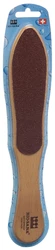


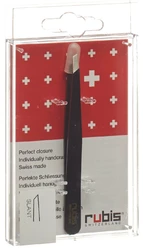
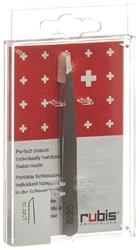
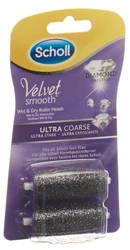
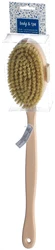


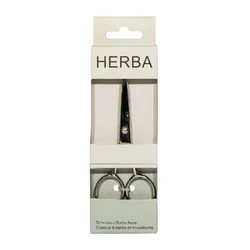
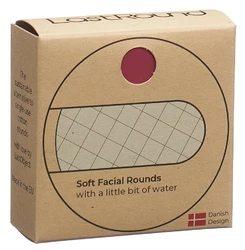
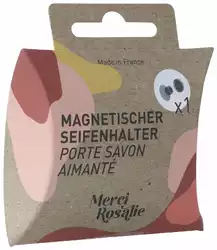
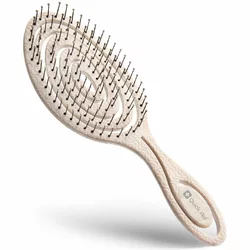
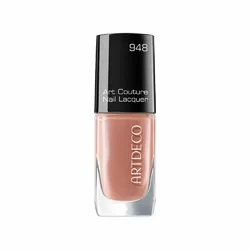
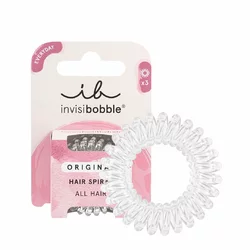
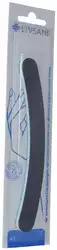
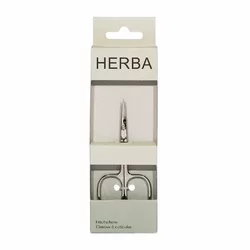
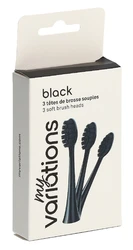
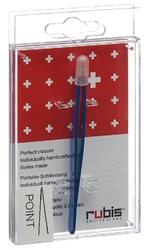
Fashion accessories for everyday use – functional style for Swiss living
Fashion accessories serve practical needs: protection, comfort and aesthetic refinement. In the Swiss climate, hats and scarves are essential in winter; lighter scarves and wraps are useful in transitional seasons. Material choices — wool, cotton, synthetics, leather — affect comfort, maintenance and longevity. For jewellery, stainless steel and nickel-free alloys are commonly recommended for better skin tolerance.
Care instructions are key to prolonging product life. Labels typically provide washing guidance, recommended temperatures and drying methods: gentle cycles, hand wash or specific cleaners for leather. Air drying and storing items in breathable bags prevent deformation and moisture build-up. These practices align with textile labelling norms applicable in Switzerland and the EU.
Organising products into clear categories improves user navigation: headwear (hats, beanies), neckwear (scarves, shawls), handwear (gloves), waist (belts), carrying (bags) and jewellery. Filters by material, season, intended use (commuting, work, leisure) and sustainability credentials facilitate online search and campaign segmentation. Messaging should remain factual and avoid unverified health or performance claims.
Practical selection criteria include easy maintenance, versatility and suitability for local weather. Multi-functional and robust accessories work well for daily life; more refined options are suited for professional occasions. Product pages should present clear dimensions, composition and simple care tips to support informed choices. Images showing scale and wearing examples help convey real-life use.
From a merchandising perspective, highlight material details, care guidance and seasonal relevance. Consider taxonomy attributes such as function, material, gender fit, seasonality and sustainability level to enable precise filtering and targeted promotion without making medical or exaggerated benefits claims. This approach builds trust and supports long-term customer satisfaction in the Swiss market.