
Make-up & Cosmetics


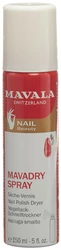
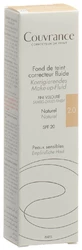
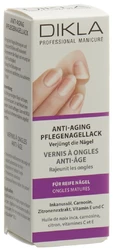
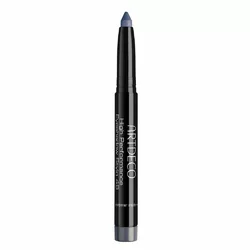
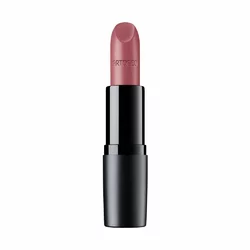
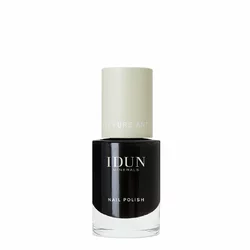
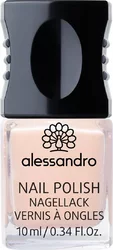
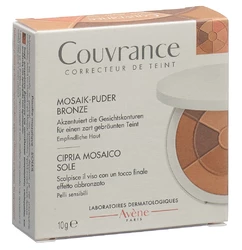
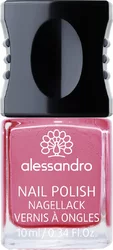
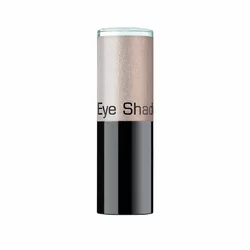
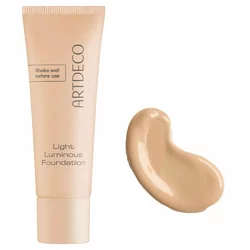
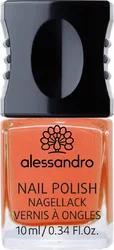
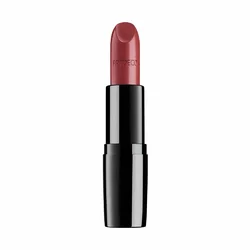
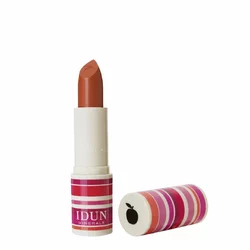
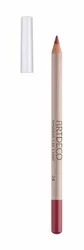
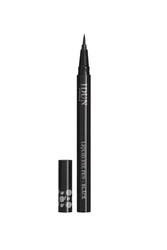
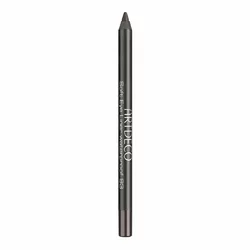
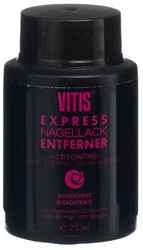
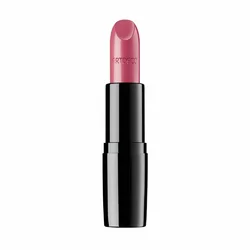
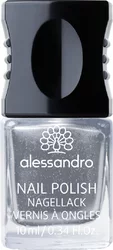

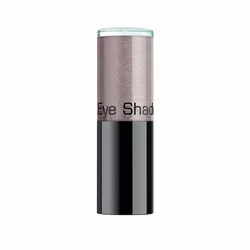
Make-up & Cosmetics — practical, skin-friendly products for daily use
Make-up & cosmetics bring together appearance and skin compatibility. Everyday use benefits from multi-purpose items: tinted day creams with SPF, long-wear foundations, and combined cheek-and-lip products streamline routines. Selection should be based on skin type, coverage level, finish (matte, satin, dewy) and ingredient preferences (fragrance-free, oil-free, non-comedogenic).
Cosmetic products in Switzerland must comply with national regulations and generally follow the EU Cosmetic Regulation regarding ingredient disclosure and safety assessments. Items claiming medical effects are regulated by Swissmedic and are handled separately. Key product data for consumers include INCI lists, PAO (period after opening), presence of allergens and any certifications (organic/natural standards).
Practical usage tips: cleanse before applying make-up and use compatible base care. Test foundation shades in natural light and check colour at the jawline. Remove make-up thoroughly at the end of the day to prevent irritation. Replace mascara and liquid liners within 3–6 months to reduce microbial risk. Regularly clean brushes and sponges to maintain hygiene.
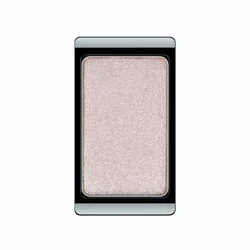
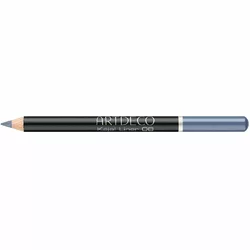
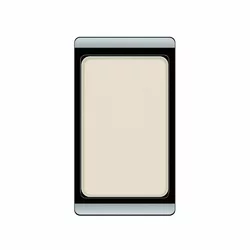
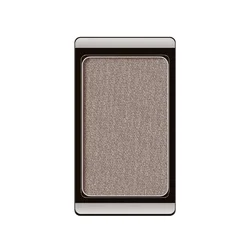
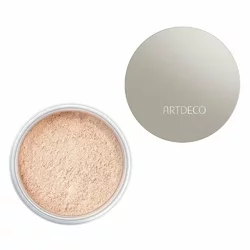
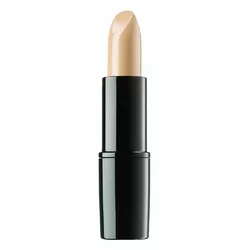
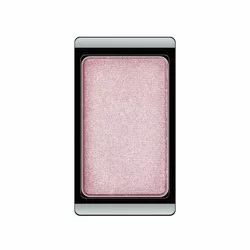
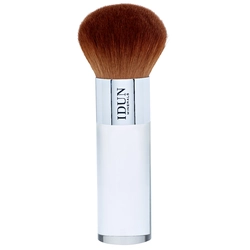
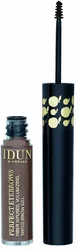
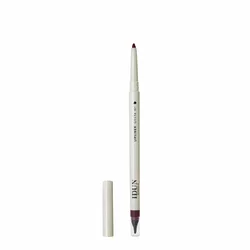
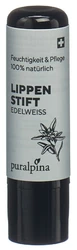
For e-commerce and marketing, structure listings with clear subcategories: face (foundations, powder, concealers), eyes (mascaras, shadows, liners), lips (lipsticks, glosses), tools (brushes, sponges), and cleansing/skin prep. Useful filters: skin type, finish, long-wear, SPF, ingredient flags (vegan, fragrance-free), certifications and shade ranges. These attributes improve search relevancy and support targeted campaigns in the Swiss market.
Sustainability notes: indicate packaging recyclability and origin of key ingredients. Transparent product data feeds—covering type, benefits, skin suitability, ingredient highlights, certifications and storage—enable compliant, SEO-optimised listings for a Swiss audience.