
Eye Care






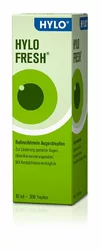
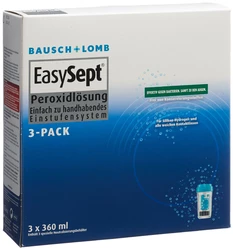
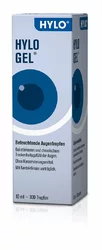
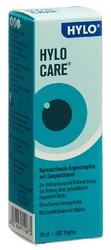
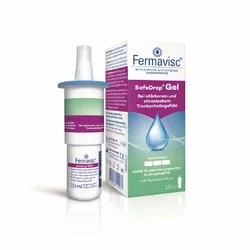
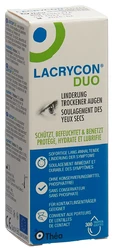
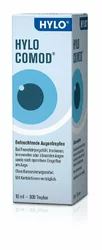
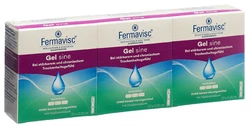


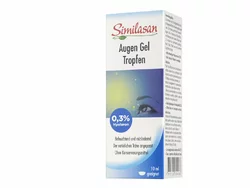
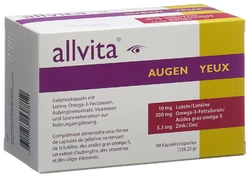

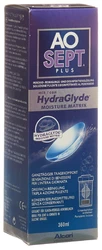
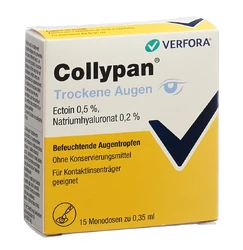

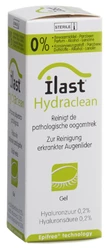
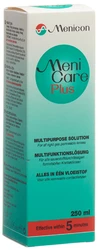
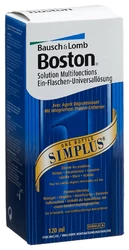
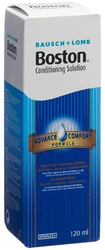
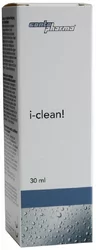
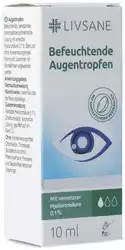


Eye care for everyday use – hydration, eyelid hygiene and comfort
Eye care is part of daily wellbeing. Modern lifestyles — screen work, heating, low humidity and seasonal allergens — commonly cause dryness, gritty sensations or redness. Products in this category aim to restore moisture to the tear film, cleanse eyelid margins and provide short-term relief.
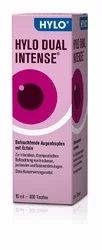
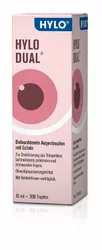
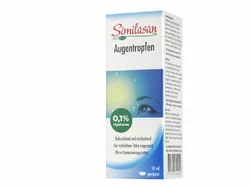
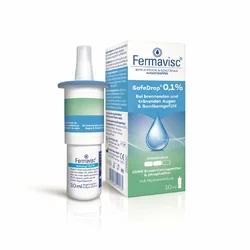
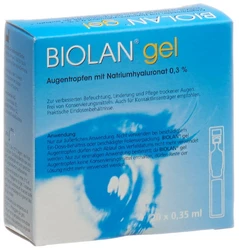
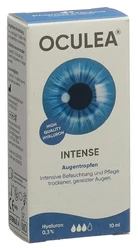
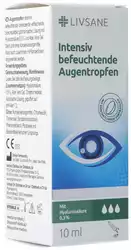
Lubricating eye drops typically contain hyaluronic acid, cellulose derivatives or electrolytes to support tear-film stability. Preservative-free single-dose units reduce the risk of contamination and are suitable for frequent application. Multi-dose bottles with suitable preservatives offer convenience but may not be ideal for very sensitive eyes.
Eyelid hygiene is important for removing make-up, oils and debris that can contribute to irritation or blepharitis. Cleansing wipes, foams and gentle solutions are designed for the delicate skin of the eyelids. A gentle technique and clean hands minimise the risk of introducing bacteria. If there is thick discharge, pain or swelling, professional assessment is advised.
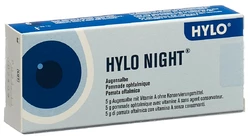
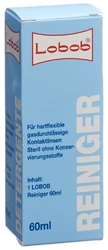
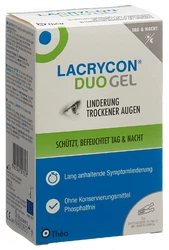
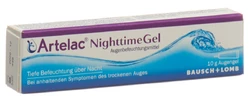
Contact lens wearers should choose products labelled as contact-lens compatible. Rewetting drops exist specifically for lens comfort. When using multiple eye products, allow a few minutes between applications. Ointments provide longer-lasting lubrication, typically used at night, but may temporarily blur vision.
Storage and expiry must be observed. Discard products after the recommended period post-opening. Do not use if appearance or smell has changed. In Switzerland, health authorities such as Swissmedic set standards and guidance for ocular products; for prescription treatments or persistent problems, consultation with an ophthalmologist is recommended.
Practical application tips: wash hands before use, avoid touching the applicator tip to the eye, follow dosage instructions and refrain from sharing single-dose units. Check for potential interactions with systemic medications and seek professional advice in case of unusual reactions or persistent discomfort.