
Lipsticks & Lip Care
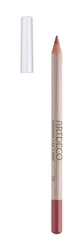
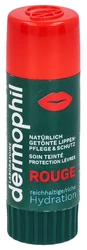
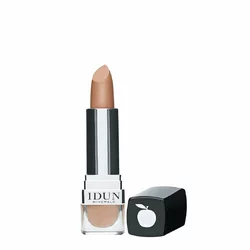
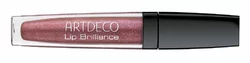
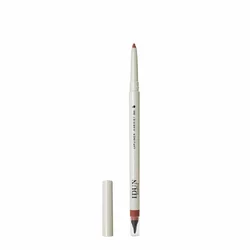
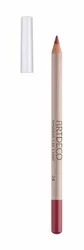
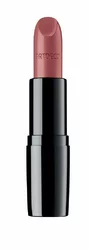
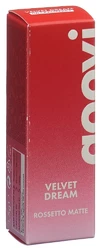
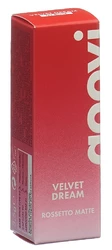
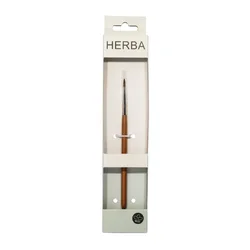
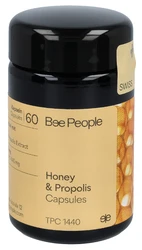
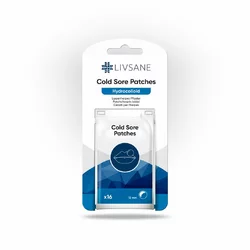
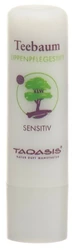


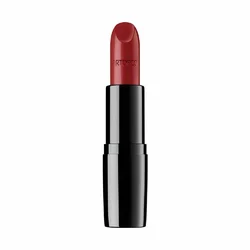
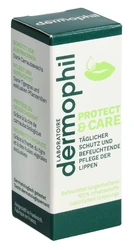
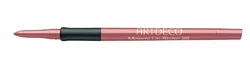
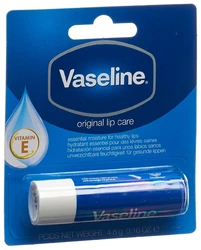
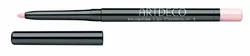
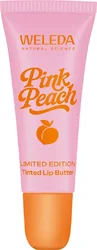



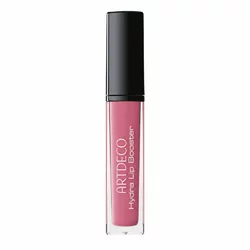
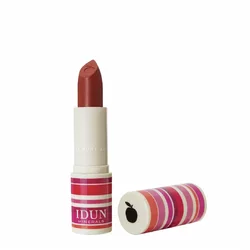
Lipsticks and Lip Care – colour, protection and everyday practicality
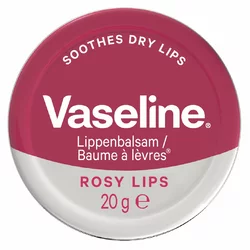
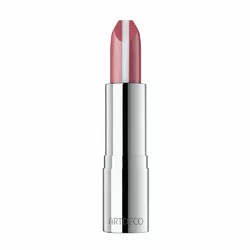
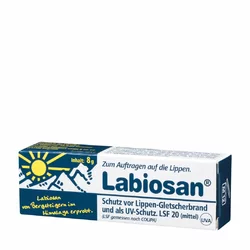
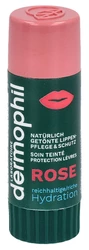
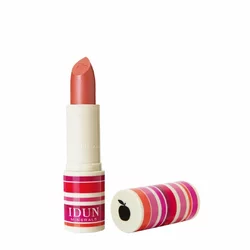
Lipsticks and lip care products serve both cosmetic and protective roles. The range includes classic lipsticks, tinted moisturizers, protective balms, lip sunscreens and repair treatments. Product choice is based on daily usability, texture preference and skin tolerance.
Ingredients and formulation: Effective lip products combine emollients (shea butter, natural oils), structural waxes and humectants such as glycerin or hyaluronic acid. Ceramides support barrier function. Some products are marketed as hypoallergenic, reducing fragrances and certain preservatives to lower the risk of irritation. Under Swiss and applicable EU rules, cosmetics must display full ingredient lists, aiding consumers with sensitivities to make informed choices.
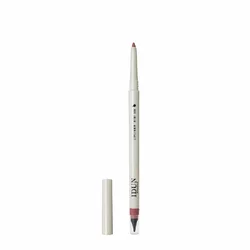
Application tips: For even colour, a light exfoliation can help, especially before applying matte finishes. A nourishing balm can serve as a base before a high-coverage lipstick. Lip liners improve definition and hold. Travel-friendly formats and sturdy caps suit daily commuting and pocket use. For longer wear, blotting and layering techniques are commonly used.
Safety and storage: Lip products are susceptible to microbial contamination. Follow the period-after-opening guidance, avoid sharing, and store in cool, dry conditions. Products with natural oils should be formulated with appropriate preservation to ensure stability. If irritation occurs, discontinue use and seek professional advice.
Regulatory context: Lip products are regulated as cosmetics, not medicines. This limits the permissible health claims. For underlying lip disorders or interactions with systemic medication, pharmacy or medical consultation is appropriate. Retailers can organise assortments into segments: basic care, tinted care, decorative lipsticks, SPF options and sensitive formulations, using clear ingredient information rather than therapeutic promises.
Commercial and SEO considerations: Keywords that reflect everyday needs perform well: long-wear lipsticks, hydrating lip balm, tinted lip care, sensitive lip products. Clear product tags for finish, key ingredients and suitability for sensitive skin help with search discoverability while maintaining compliant messaging.