
Allergies & Hay Fever


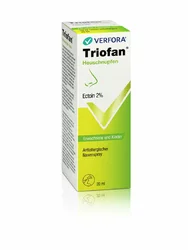
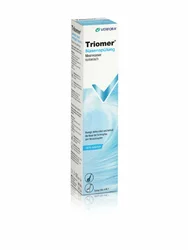
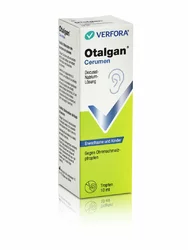
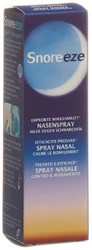

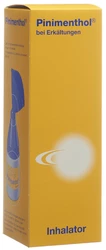


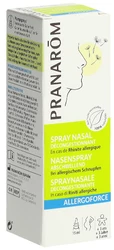
Allergies & hay fever – practical products and everyday measures for symptom relief
Allergic rhinitis and hay fever are immune responses to common airborne allergens such as tree, grass and weed pollens, house dust mites, animal dander and mould spores. Typical symptoms include sneezing, itchy or watery eyes, nasal congestion and a runny nose. Symptom patterns and severity guide the choice of treatments and supportive products.
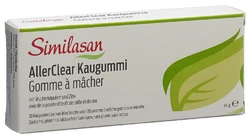
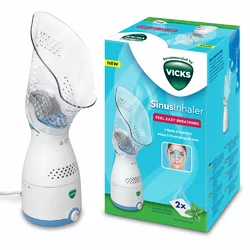
Oral antihistamines help reduce itching and sneezing quickly; some formulations minimise drowsiness and suit daytime use. Intranasal corticosteroid sprays are effective for ongoing control of nasal symptoms. Decongestant nasal sprays relieve congestion but are intended only for short-term use. Saline nasal irrigation supports mechanical removal of allergens and mucus, and is a safe adjunctive measure.
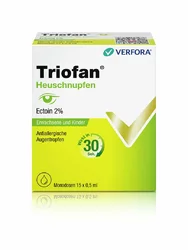
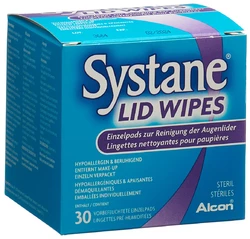
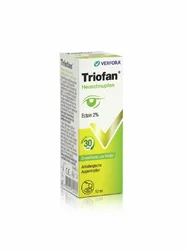
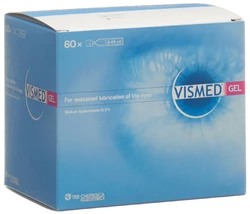
For allergic conjunctivitis, preservative-free eye drops or anti-allergy formulations can relieve redness and irritation. Combining local treatments (nasal and ocular) with systemic options may be appropriate, depending on symptom distribution. Special populations such as children and pregnant persons require tailored advice; certain medications may be contraindicated or need caution.
Practical environmental measures reduce allergen load: keep windows closed during peak pollen times, change clothes and shower after outdoor exposure, use appropriate filters for home ventilation and vehicle cabins, and launder bedding regularly to lower dust mite levels. Monitoring local pollen forecasts helps plan outdoor activities.
Allergy testing (skin prick tests or specific IgE blood tests) identifies sensitising allergens and supports targeted management. Specific allergen immunotherapy is an option for long-term modification of allergic response and should be managed by specialists. In any case of severe reactions, breathing difficulties or rapid swelling, seek emergency medical care.
Content within this category focuses on safe use, potential side effects and interaction risks. For personalised recommendations and prescription treatments, consultation with healthcare professionals is advised. Products conform to Swiss regulatory labelling and storage requirements; instructions on dosage and administration are integral to product information.