
Eyes, ears & nose


















Eyes, Ears & Nose – Practical care, hygiene and everyday protection
Eyes, ears and nose are frequently exposed to environmental stressors such as pollen, dust, dry air and noise. Appropriate products can help maintain comfort and function. The category includes cleansing and moisturizing solutions, simple protective devices and products designed for symptom relief and daily care.
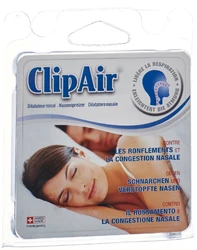
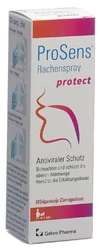
For nasal care, sterile saline solutions and nasal sprays are commonly used for gentle cleansing and hydration of the mucosa. Nasal irrigation devices should be used according to instructions and cleaned regularly to avoid contamination. Different nasal sprays exist for short-term decongestion or regular moisturizing; check product labelling for indications and recommended duration.
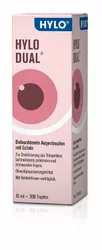
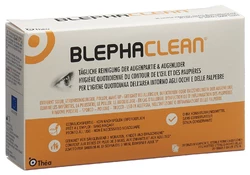
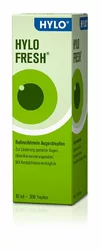
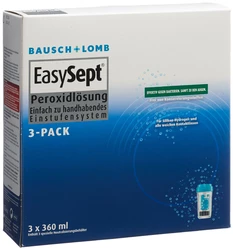
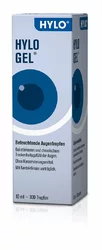
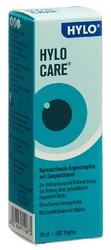
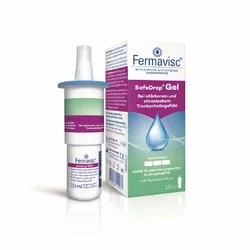
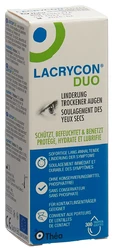
Eye care products range from lubricating eye drops (artificial tears) to formulations intended for specific needs; products compatible with contact lenses are clearly indicated. If experiencing pain, sudden visual changes or purulent discharge, seek medical evaluation. Pay attention to preservatives and re-opened shelf-life stated on the packaging.
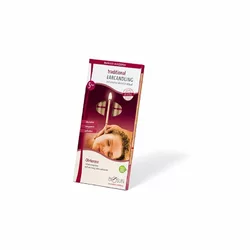
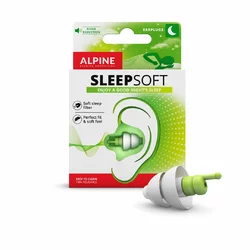
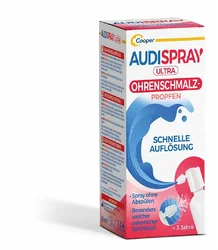
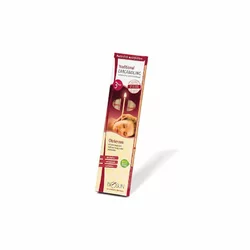
Ear care offerings include cerumen-softening drops, gentle cleansing solutions and disposable or reusable ear protectors for swimming or noisy environments. Inserting cotton swabs into the ear canal is not recommended as it can push wax further inward or damage the eardrum. Professional removal is advisable for persistent blockages.
Regulatory status varies: some products are classified as medical devices or OTC medicines, others as cosmetic or hygiene items. In Switzerland, labeling and instructions are authoritative for correct use. Check contraindications, age restrictions and pregnancy information where applicable.
Practical tips: wash hands before application, do not share multi-dose bottles, dispose of single-use items properly, and store products as instructed. For children, use age-appropriate formulations and follow dosage guidance closely. When in doubt, consult store staff or a healthcare professional for tailored advice.