
Measuring Devices & Equipment






















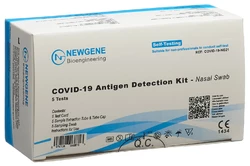
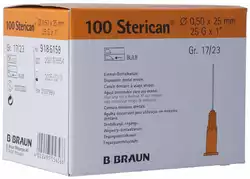
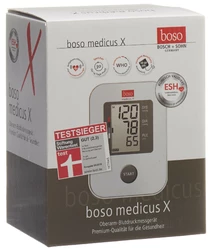
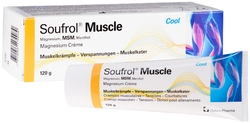




Measuring Devices & Equipment – Reliable readings for daily use
Measuring devices and related technology support simple and repeatable monitoring at home. Common devices include automated blood pressure monitors, digital thermometers, body scales, pulse oximeters and glucose meters. Each device addresses specific measurement needs and varies in range, precision and user interface.
Quality and conformity matter. Medical-grade devices should come with appropriate documentation and markings indicating conformity with applicable standards. Manufacturer specifications on accuracy, validation studies and operating conditions are important for assessing device performance. In Switzerland, adherence to European norms and national requirements ensures basic safety and reliability.
Usability influences how consistently devices are used. Clear displays, intuitive menus and easy-to-clean designs support routine measurements. For connected devices, battery life, charging options and secure data transmission (Bluetooth, apps) are practical considerations. When health data is stored or transmitted, attention to privacy and secure handling is essential.
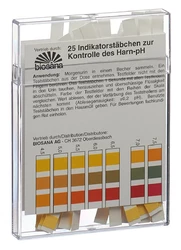
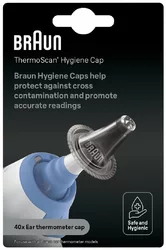
Maintenance extends device longevity: follow manufacturer cleaning instructions, replace batteries as recommended and perform periodic checks or recalibrations where indicated. Consumables such as test strips must be compatible and stored correctly. Waste disposal of batteries and electronics should follow local regulations. For uncertainty in measurement technique or interpretation of results, consult a healthcare professional. This category aims to provide reliable, user-friendly equipment and practical advice for everyday measurement tasks without clinical claims.