Acerola
10 tips to cleverly use the most powerful natural vitamin C source
-
Choose the form that fits your daily life
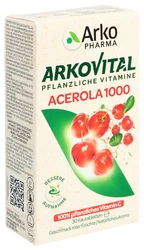
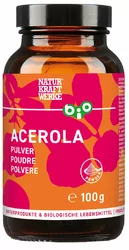
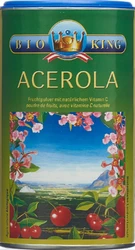
Acerola is available as juice, powder, capsules or even as freeze-dried pieces for muesli. Which form you choose depends on your lifestyle: powder is ideal for smoothies and yoghurt, while capsules allow quick and precise dosing. At the pharmacy you can find high-quality products with a clearly stated vitamin C content – an important quality indicator.
-
Pay attention to the right daily dose
For normal immune support, about 100–200 mg of natural vitamin C per day is sufficient, which usually corresponds to 1–2 g of acerola powder. Under increased strain, 300–500 mg may be useful. For dietary supplements: follow the manufacturer's instructions and do not exceed 2'000 mg of vitamin C per day to avoid gastrointestinal discomfort.
-
Start your morning with an acerola boost
Vitamin C is best used when taken throughout the day or in the morning. Stir acerola powder into your smoothie, juice or yoghurt – but not into hot water, as heat destroys vitamin C. A simple morning routine that supports both energy and the immune system.
-
Use acerola juice deliberately and not in large quantities
Acerola juice has an intensely tart flavour and a high nutrient density. 10–20 ml daily is usually more than enough. Mix it with sweeter juices like apple or grape to create a tasty, nutrient-rich drink. Due to its potassium content, you should not consume the juice by the litre.
-
Integrate acerola creatively into your cooking
The Barbados cherry is excellent for jams, yoghurts, muesli, fruit bars or fresh smoothies. Powder gives dressings, desserts, cake creams or energy balls a fresh vitamin C note. This way, the healthy addition becomes a real moment of enjoyment.
-
Buy consciously
Be sure to check the following information: exact vitamin C content per serving, production date, drying method (freeze-dried or spray-dried), organic certification, free from added sugars, colourings or synthetic vitamin C. Only then can you truly benefit from the special power of acerola.
-
Store acerola products correctly
Juice should be refrigerated after opening and keeps for three to four days. Powder is very sensitive to moisture. Store it in a dry, cool place and always well sealed – this keeps nutrients and texture stable for longer.
-
Use acerola only if it suits you
If you take medication, have pre-existing conditions or a sensitive stomach, discuss acerola with your doctor beforehand. People with kidney problems should be particularly careful. Dietary supplements never replace a balanced diet.
-
Avoid combinations that hinder absorption
Vitamin C is sensitive – not only to heat, but also to certain foods. It is best not to combine acerola directly with dairy products, as this can reduce absorption. Plant-based alternatives like oat or almond drinks are much better suited.
-
Rely on natural support instead of overdosing
Acerola is powerful enough to be effective in small amounts. If you choose pharmacy products, you benefit from controlled quality, safe dosages and competent advice. Complement intake with a healthy diet and adequate sleep – that way acerola can unfold its full benefit.