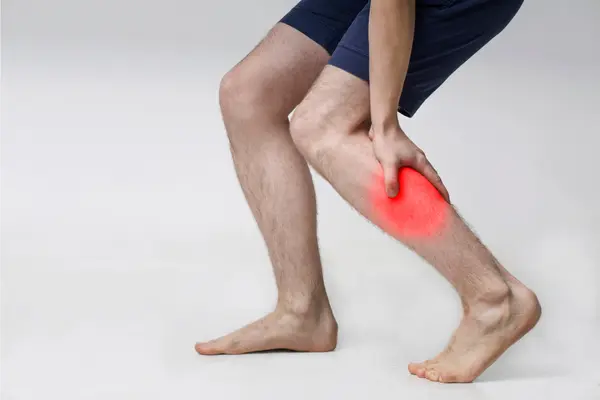
Thrombosis
10 ways to actively support your veins
-
Movement as a basic building block
Regular movement supports the muscle pump in the legs. Use the stairs instead of the elevator, get off one stop earlier, or take short daily walks. Even these small activities promote blood flow and contribute to an active circulation.
-
Exercises in bed
If you are temporarily unable to get up, simple foot and leg exercises while lying down are suitable. For example, you can bend and straighten your legs or make cycling movements in the air. These activities activate the muscle pump and support venous return.
-
Use compression stockings selectively
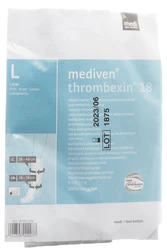
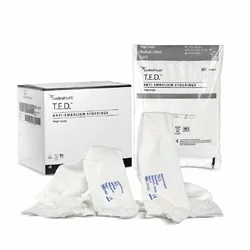
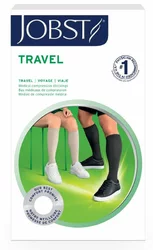
Medical thrombosis prophylaxis stockings (MTPS) can support blood flow in the veins. Have the stockings fitted in the morning and put them on immediately after getting up so they sit correctly and can be effective.
-
Intermittent pneumatic compression
For people with limited mobility, intermittent pneumatic compression can be useful. These cuffs apply alternating pressure to the legs, activate the muscle pump and ease venous return.
-
Elevate your legs occasionally
Place your legs slightly elevated several times a day for a few minutes. This helps blood flow back to the heart and can relieve the venous system. People with heart failure should discuss this with their doctor beforehand.
-
Mind your sitting posture
Avoid sitting for long periods with crossed legs or knees strongly bent. Ensure enough legroom and change position regularly to avoid restricting blood circulation.
-
Include venous exercises
Regular toe, foot and calf exercises activate the muscle pump. Small movements, such as raising and lowering the toes or circling the feet, can be easily integrated into daily life and help promote circulation.
-
Use endurance sports
Swimming, cycling, brisk walking or hiking activate the leg muscles and can support vein function. Dancing is also a pleasant way to activate the calf muscles and stimulate blood flow.
-
Contrast showers for the legs
Alternating between warm and cold water in the shower has a stimulating effect on the veins. This measure can be used in addition to movement and supports circulation.
- Travel and long-distance measures
On longer journeys, stand up regularly and do foot gymnastics exercises. Reserve an aisle seat and wear comfortable clothing and flat shoes so as not to impede blood circulation.