Swollen legs
10 effective tips against heavy legs
-
Alternating Kneipp-style treatments and footbaths
Give your legs regular alternating baths with warm and cold water. The cold stimulus boosts venous activity and stimulates blood circulation. This can help reduce swelling.
-
Cold wraps to encourage fluid drainage
Apply cold wraps to the affected areas of your legs. The cold causes excess fluid in the tissue to move back into the circulation and eventually be eliminated via the kidneys. Please consult your doctor before performing cold treatments, especially if you have venous or vascular issues.
-
Elevate legs to relieve pressure
Elevate your legs several times a day, ideally above heart level, for example on a pillow. This reduces venous backlog, relieves the vessels and eases pain and the feeling of heaviness.
-
Manual lymphatic drainage for fluid buildup
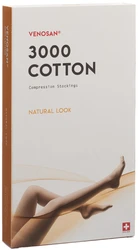
Consider manual lymphatic drainage. This specialised massage technique stimulates lymph circulation and promotes the removal of stored fluid. It is particularly effective when combined with compression stockings.
-
Light exercises for in-between
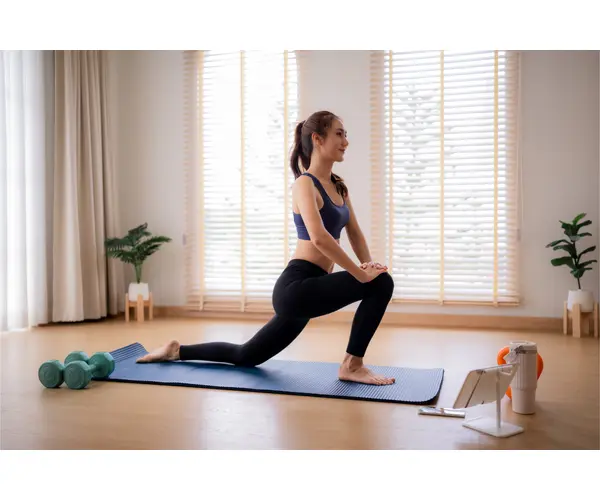
Include simple exercises such as toe‑heel rocking, standing on your toes (balance exercise) or "air cycling" in your daily routine. These activate the leg muscles, improve blood and lymph flow and effectively prevent fluid stagnation.
-
Moderate activity should become a daily habit
Avoid long periods of sitting or standing and instead walk several times a day or cycle to work. This moderate activity enhances the muscle pump in the legs and supports circulation sustainably.
-
Avoid tight clothing
Do not wear very tight trousers or socks with tight cuffs. Tight clothing can restrict blood circulation and lymph drainage, which may lead to increased swelling.
-
Targeted intake of minerals and vitamins
Ensure your body gets enough magnesium, potassium and vitamin B6, as these micronutrients support fluid regulation in the tissues. Good sources include green vegetables, wholegrain products and nuts.
-
Enjoy foods with a high water content
Eat water-rich foods regularly, such as cucumbers, watermelon, strawberries and lettuce. They support the elimination of toxins and help reduce excess water retention in the tissues.
- Avoid exposure to heat
In particular during the summer months, avoid intense heat exposure such as sauna sessions or prolonged sunbathing, as heat can encourage lymph fluid formation and worsen swelling.