Gout
10 tips to manage uric acid levels in everyday life
-
Avoid fructose‑containing drinks
Avoid heavily sweetened drinks where possible, such as sodas or fruit juices. These often contain high amounts of fructose, which can burden metabolism. Reach instead for water or unsweetened alternatives.
-
Prefer low‑purine foods
Regularly include dairy products, eggs, as well as fruit and vegetables in your diet. These foods can form a balanced base and can be combined in many ways, for example for breakfast or a light meal.
-
Differentiate vegetables
Vegetables such as legumes, spinach, cabbage or asparagus can still be part of your diet. What matters is the overall balanced composition of your meals, not a complete avoidance.
-
Include sour cherries intentionally
Occasionally add sour cherries to your meal plan, for example as a snack, in muesli or as an unsweetened juice. They provide valuable nutrients and can be an interesting addition.
-
Reduce high‑purine foods selectively
Limit consumption of meat, processed meats, offal and certain fish such as sardines, anchovies or herring. Pay particular attention to portion sizes and how often you eat these foods.
-
Adjust your diet for the long term
Focus on a lasting change to your eating habits rather than short‑term adjustments. A stable dietary pattern can help keep uric acid levels within the desired range.
-
Consider curcumin as a complementary option
After professional consultation, you may consider taking curcumin. It can be useful as part of a holistic approach and is easy to incorporate into daily life, for example via suitable products or spices.
-
Use alkaline baths and compresses
Use alkaline foot, hand or full baths to relax, for example in the evening. Compresses applied to affected joints can also be used locally and are simple to do at home.
-
Plan regular but moderate exercise
Include regular physical activity such as walks or moderate sport in your daily routine. Be careful not to overdo it, as excessive strain can put additional stress on the body.
- Treat joints appropriately according to the situation
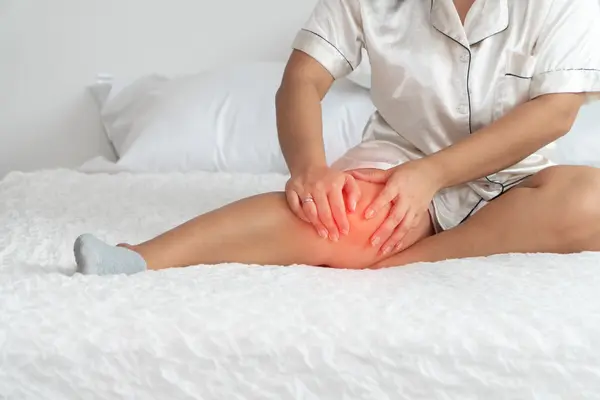
Rest affected joints during painful phases and avoid unnecessary strain. In symptom‑free periods, targeted exercises can help improve mobility and strengthen muscles.