Tape
10 insider tips for the perfect fix
-
Use tape purposefully for sports injuries and prevention
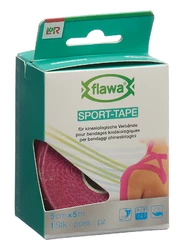
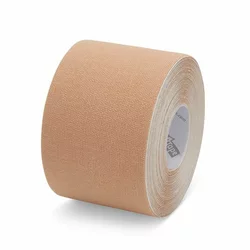
Tape can unload muscles, ligaments and tendons, help prevent injuries during intensive training and speed up healing after sprains or muscle tears. Use it, for example, as support after intense runs or during strength training.
-
Have the technique demonstrated to you
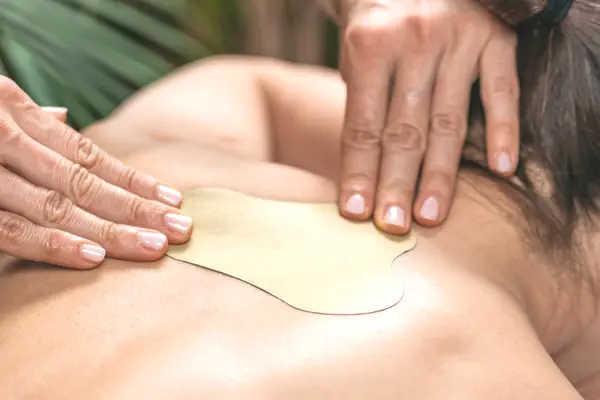
An effective tape application must be applied correctly. Ideally have it applied by a physiotherapist. If you want to tape yourself, have the technique shown to you and limit yourself to easily reachable areas.
-
Trim the corners
Round the tape ends with scissors so that the tape does not fray and adheres longer. This simple measure reduces tearing and improves the tape's lifespan.
-
Prepare the skin carefully
Apply tape only to clean, dry skin because oil, grease, sweat, powder or dirt impair adhesion. Also avoid direct contact of your fingers with the adhesive surface.
-
Dealing with very hairy areas
Shave very hairy areas beforehand or alternatively secure the hairs to the skin with a spray adhesive so the tape adheres better and removal causes less pain.
-
Observe the following rule of thumb for adhesive direction
Stick the start of the tape at the muscle origin (the area that does not move the painful segment) and the end at the muscle insertion (the moving part). This orientation helps achieve the intended unloading effect.
-
Activate the adhesive by rubbing
Once the tape is in place, rub it several times with your hand to improve the adhesion of the acrylic adhesive through the generated body heat. Take care not to rub too vigorously to avoid irritating the skin.
-
Adjust the tension depending on the goal
For swelling, the tape should be applied without tension, whereas a gentle stretch is sufficient for muscular support. The correct stretch determines the direction of effect and the tolerance of the application.
-
Pain tape used as a cross technique
For localized pain, a cross made of two tape strips over the painful point can offload the muscles and distribute the stimulus in a targeted way. Try this technique following your therapist's instructions.
- Safety when wearing and removing
Most tapes are waterproof and can be worn for up to a week. Showering and bathing is usually possible. Remove the tape gently with warm water, baby oil or a disinfectant. Avoid use in cases of eczema, psoriasis, atopic dermatitis, thrombosis, varicose veins or open wounds.