Scars
10 tips for successful skin reconstruction
- \n
- \n
Start only once the wound is fully closed
\n \n
Begin scar care only after the wound is scab‑free, no fluid is leaking and your doctor has given the go‑ahead. This prevents complications and ensures active ingredients are absorbed optimally. Fresh scars respond particularly well to care – use this window to positively influence the long‑term appearance.
\n- \n
- \n
Consistently deliver moisture for greater suppleness
\n \n
Scar tissue dries out faster because it lacks sweat and sebaceous glands. A hydrating cream or serum with hyaluronic acid, panthenol or ceramides keeps the scar supple, reduces feelings of tightness and supports regeneration. Medically formulated scar gels or creams from the pharmacy are especially effective: they lock in moisture and strengthen the skin barrier.
\n- \n
- \n
Protect the scar from UV with SPF 50
\n \n
Sun protection is one of the most important factors for good scar healing. Fresh scar tissue cannot produce melanin and is prone to dark spots or permanently uneven pigmentation. Use a high sun protection factor daily (ideally SPF 50) – even in winter and on cloudy days – and avoid direct sun exposure for at least one year.
\n- \n
- \n
Use gentle massages to boost circulation
\n \n
Regular, properly performed scar massage softens the tissue, prevents hardening and promotes blood flow. Massage the scar in circular, gentle movements or with a specific pressure technique as soon as the wound is fully healed. This works best in combination with a scar care product – if unsure, ask your dermatologist or therapist.
\n- \n
- \n
Use silicone scar sheets or gels
\n \n
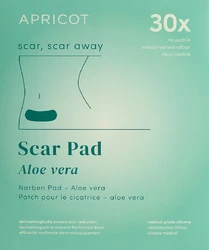
Silicone is considered the gold standard in scar management. Sheets and gels create a breathable protective layer, retain moisture and can visibly lighten, smooth and soften scars. Consistent use over two to four months often leads to noticeably better results, for both recent and older scars.
\n- \n
- \n
Avoid tension, pressure and friction in daily life
\n \n
Scar tissue is sensitive to mechanical stress. Wear soft, non‑abrasive clothing, initially avoid sports that involve strong pulling or stretching and avoid tight accessories or belts over affected areas. This prevents the scar from hardening or re‑opening.
\n- \n
- \n
Opt for a nutrient‑rich, anti‑inflammatory diet
\n \n
Healthy skin starts from within: vitamins, proteins and omega‑3 fatty acids support collagen formation and promote healing. Drink enough water, reduce alcohol and avoid nicotine – all of which improve tissue elasticity and visibly support regeneration.
\n- \n
- \n
Gently conceal scars with suitable dermocosmetics
\n \n
If you want to cover a scar, only use decorative cosmetics once the skin is fully healed. Use a hydrating primer and a high‑coverage camouflage make‑up. Products with zinc oxide or setting powder lock in the result and provide a natural finish without stressing sensitive skin.
\n- \n
- \n
Incorporate targeted specialised products for optimal results
\n \n
Medical formulations containing vitamin C, onion extracts, panthenol or hyaluronic acid can improve skin texture and prevent pigment changes. For discolourations, a brightening serum that regulates melanin production is particularly suitable.
\n- \n
- \n
Be patient
\n \n
A scar changes over months to years. The full maturation process can take up to two years. What you do consistently during this time – care, protect, massage – has a major impact on the outcome. With patience, the right products and a well‑guided care programme, scars can become significantly less noticeable, smoother and softer.