Joints
10 steps to a more active everyday life
-
Use ergonomic aids in daily life
Adjust your work height and avoid staying in the same position for hours. Also change your posture regularly.
-
Choose appropriate footwear and a suitable mattress
Padded insoles and a comfortable footbed reduce impact when walking, while a medium‑firm mattress that supports the spine’s natural shape relieves pressure on the back and hips.
-
Warm up before activity and mobilise gently afterwards
Warm painful joints with a heat pack or a short warm shower before activity to reduce pain. Then move the joint in smooth, circular gliding motions without major force to promote nutrient delivery.
-
Choose joint‑friendly sports
Prefer activities with steady, low‑impact movements, such as swimming, aqua jogging, cycling, cross‑country skiing, gentle gymnastics, tai chi or yoga. In swimming, freestyle or backstroke are often easier on the joints than breaststroke.
-
Nordic walking as everyday support
Using poles distributes body weight more evenly, relieves the knees and hips and activates many muscle groups at once. Nordic walking is also an effective, joint‑friendly form of endurance training and can help with weight management.
-
Reduce weight gradually
Every extra kilo increases the load on weight‑bearing joints. Reduce excess weight slowly through moderate calorie reduction combined with joint‑friendly activity. Consult a doctor for long periods of inactivity or significant weight‑loss goals.
-
Ensure adequate protein intake
Protein is important as a building block for collagen and tissue repair. Opt for lean animal sources (poultry, fish) or plant proteins (legumes, tofu), especially if you want to build muscle support for the joints.
-
Include omega‑3 fatty acids
Fatty fish (e.g. salmon, mackerel) or plant sources such as flaxseed or flaxseed oil provide omega‑3 fatty acids with inflammation‑modulating effects. Two fish meals per week are a practical, achievable example.
-
Focus on a nutrient‑rich base diet
Plenty of fresh fruit, vegetables and whole grains supply vitamins, minerals and phytonutrients that neutralise free radicals and can positively influence inflammatory processes. Vary your choices daily, for example berries, dark leafy greens and oats as a base.
- Protect and cool the joint during inflammation
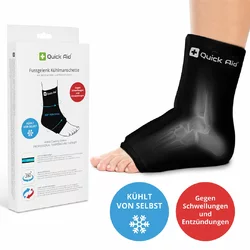
If there is marked redness, swelling or severe pain, rest the joint. Cold applications, anti‑inflammatory measures and, if necessary, medication can help get through the acute phase until the inflammation subsides.