Heat patch
Heat on demand – 10 tips for correct use
-
Use the effect of constant warmth
A heat patch is especially effective when it delivers a continuous temperature of around 40 °C to the painful area for several hours. This helps muscles relax and increases blood flow, supporting healing processes.
-
Using capsaicin patches correctly
Capsaicin patches produce heat through skin irritation. They stimulate blood vessels, causing pain receptors to adjust temporarily and reducing pain. Note that mild burning or itching is normal.
-
Best practice for catalytic patches
Heat patches that use iron and activated charcoal heat up automatically on contact with air. They should be applied immediately after opening and can provide steady warmth for up to eight hours.
-
Clean skin is essential
Apply the patch only to dry, clean skin. Avoid lotions, creams or medicinal ointments, as these can irritate the skin and reduce the patch's effectiveness.
-
Wash hands after applying capsaicin
After applying a capsaicin patch, wash your hands thoroughly with soap and water. Avoid contact with eyes, mucous membranes or open wounds.
-
Do not use heat patches overnight
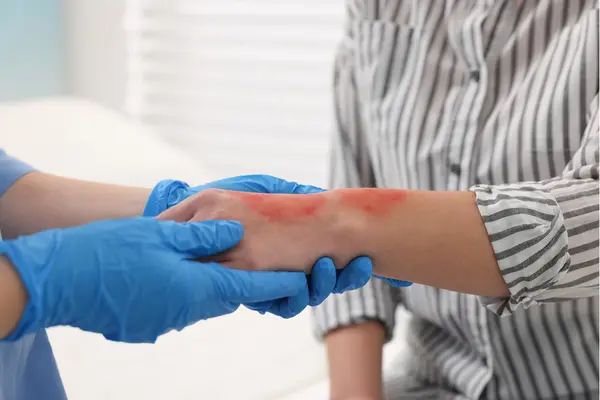
The patch should be used during the day. When lying down, the intensity of the heat can increase, raising the risk of skin irritation or burns.
-
Heat patches for menstrual pain
Stick the patch onto the underwear over the abdomen, not directly onto the skin. This provides pleasant warmth without causing skin irritation.
-
Do not apply to injured skin
For acute bruises, strains or swelling, avoid heat applications. In these cases, cold is the better option to limit inflammation.
-
Restrictions for children and older adults
Children under 12 years should not use heat patches. Older people need to be particularly cautious, as their perception of heat and pain is reduced and the risk of burns is higher.
- Use a heat patch only once per day
Do not use a heat patch multiple times a day on the same spot. After eight to twelve hours, the skin should have at least twelve hours’ rest before a new patch is applied.