St John's wort
This plant supports your emotional balance
editorial.overview
St John's wort: what is it?
St John's wort (Hypericum perforatum) is a perennial medicinal plant from the Hypericaceae family. Native to the temperate regions of Eurasia, it now grows worldwide. Its bright yellow flowers, which appear around St John's Day in June, and the leaves that seem perforated when held up to the light are characteristic. This appearance comes from numerous tiny oil glands that contain red hypericin oil. Because of these distinctive features, the plant was named accordingly and is now a popular ornamental in gardens.
The parts used are mainly the flowers, buds and above‑ground portions of the plant, harvested and dried during the flowering period. St John's wort is available in various forms, such as tea, tincture, ointment or capsule.
Quality and dosage of extracts are particularly important, as many over‑the‑counter products do not contain the amounts of active ingredients required for a therapeutic effect. Only standardized medicinal products ensure consistent efficacy and safety.
editorial.facts
- There is evidence that St John's wort can have an inhibitory effect on platelets (thrombocytes) — i.e. an antiplatelet effect — which may be relevant when managing conditions with a tendency to thrombosis and when assessing interactions with anticoagulant medications.
- A study in patients with psoriasis (a chronic skin condition) showed that applying a St John's wort ointment can reduce inflammatory markers in skin cells — including the cytokine TNF‑α — suggesting a possible additional application in dermatology.
What does St John's wort do in the body?
St John's wort has a range of effects in the body and supports mental and physical well‑being. It is especially known for its
In addition to its effects on the psyche, St John's wort also has physical benefits. It possesses anti‑inflammatory properties and supports skin and tissue regeneration. St John's wort oil is commonly used externally for small wounds, bruises or skin irritations because it speeds healing and soothes the skin. Its active compounds also act as antioxidants, protecting cells from free radicals and contributing to healthy skin structure.
Furthermore, research indicates that St John's wort has antibacterial and antiviral properties. It can inhibit the growth of certain bacteria and viruses, including some that are resistant to conventional antibiotics. Thus the plant contributes significantly to health — both mentally and physically — and naturally strengthens overall well‑being.
Wie wichtig ist Ihnen pflanzliche Medizin im Alltag?
Which active compounds does St John's wort contain?
St John's wort contains numerous valuable active compounds that work together to produce its beneficial effects. The most important are hypericin and hyperforin. Hypericin gives the oil its reddish colour and has antiviral activity. It also affects the nervous system and contributes to the mood‑enhancing effect.
Hyperforin is particularly active in supporting mental health and protecting against inflammation. It inhibits the growth of certain bacteria and can reduce inflammatory processes in the body.
Besides these main substances, St John's wort contains a high concentration of flavonoids. These secondary plant compounds are strongly antioxidant, protect cells from free radicals and promote general well‑being. They can also positively influence serotonin, sometimes called the ‘happiness hormone’, and thus help stabilise mood.
Tannins and essential oils also play an important role. Tannins promote circulation and contribute to faster regeneration of skin and tissues. Essential oils have a calming effect on body and mind, provide a cooling sensation and can alleviate pain.
Other constituents such as phenolic carboxylic acids, xanthones and procyanidins are also present and complement the plant’s antioxidant and anti‑inflammatory properties.
What does St John's wort do to hormones?
St John's wort can affect the hormonal balance by inducing certain liver enzymes. These enzymes are responsible for breaking down hormones and medications in the body. When activated by St John's wort, the metabolism of hormonal preparations, such as contraceptive pills or hormone implants, can be accelerated. This may lead to a drop in hormone levels in the blood, which can cause irregular cycles or reduced contraceptive protection.
Combined hormonal contraceptives as well as progestogen‑only preparations are particularly affected. Women using these methods should therefore take St John's wort only after consulting a doctor or pharmacist. Injectable contraceptives or hormonal IUDs appear to be less affected, since they release active substances differently and are not metabolised via the same hepatic pathways.
St John's wort does not directly change hormone production, but rather how the body handles hormonal substances. Therefore, its use in hormone‑dependent therapies or with contraceptives should always be carefully coordinated to ensure the effectiveness of those treatments.
How long does it take for St John's wort to work?
The effect of St John's wort is not immediate. Because its active ingredients act gradually in the body, it takes time before a noticeable improvement occurs. Usually it takes several weeks before the mood‑lifting effects are clearly perceived. Regular use of St John's wort for about four to six weeks is generally recommended to obtain the full benefit.
As St John's wort exerts its effects progressively, it is particularly important to be patient during treatment. Sporadic or irregular use can compromise or delay treatment success.
For this reason, the application should always be discussed with a doctor. A physician can monitor the course and adjust the dosage if necessary to ensure the treatment proceeds optimally and achieves the best possible effect.
What should you not combine with St John's wort?
St John's wort should not be taken together with certain medications because it can alter their effects.
The combination with antidepressants, especially SSRIs or MAO inhibitors, is particularly critical. When taken together, St John's wort can over‑stimulate the nervous system. The so‑called serotonin syndrome may occur, which can present with agitation, dizziness or a racing heart.
Caution is also required with other drugs. St John's wort can reduce the effect of blood thinners such as warfarin or aspirin, increasing the risk of clot formation. Likewise, St John's wort reduces the effectiveness of hormonal contraceptives, which may compromise contraceptive protection.
In addition, St John's wort can decrease the effectiveness of immunosuppressants and certain chemotherapy agents. Therefore, any concurrent use should always be coordinated with a doctor or pharmacist to avoid unwanted interactions.
Does St John's wort have side effects?
St John's wort is generally considered well tolerated, but it can still cause side effects. Its best known effect is photosensitisation. People taking high‑dose preparations may react more strongly to sunlight, which can lead to faster onset of redness, irritation or rashes. Those with sensitive skin should therefore avoid direct sun exposure and use a high‑factor sunscreen. In rare cases, symptoms such as nausea, headache or allergic reactions may occur.
St John's wort can also affect the metabolism of other drugs. It induces the production of certain liver enzymes that speed up drug breakdown. As a result, the effect of antidepressants, anticoagulants, immunosuppressants, certain cancer medications or hormonal contraceptives may be reduced. Hence it is important to seek medical advice before taking it — even for over‑the‑counter products — to avoid unwanted interactions and side effects.
St John's wort: how to use the medicinal plant correctly
- Start taking St John's wort only after consulting a doctor. Even though it is plant‑derived, it can interact with many medications. Your doctor should know which drugs or supplements you already take to avoid risks. This is especially important for antidepressants, blood thinners or hormonal preparations.
- Do not use St John's wort during pregnancy or breastfeeding. Its use is expressly not recommended for pregnant or breastfeeding women due to insufficient safety data. It is also unsuitable for children under twelve. In adolescents, it should be used only under medical supervision.
- St John's wort can increase skin sensitivity to light. Avoid strong sun exposure or tanning beds during treatment and use a high‑factor sunscreen. Particularly with high‑dose products the skin can quickly develop redness or rashes.
- Opt for standardized preparations from the pharmacy. Only such products contain a precisely defined amount of active compounds like hypericin and hyperforin. This ensures stable and safe effects. Homemade tea or oil can vary greatly in concentration and therefore does not provide consistent effects.
- Take St John's wort regularly for several weeks. The effect does not set in immediately but develops slowly. Typically it takes four to six weeks for mood to improve noticeably. Continuous use is therefore important to achieve the full effect.
- Pay attention to the timing of intake. St John's wort has a mild activating effect. It is therefore recommended to take it during the day and not in the evening to avoid sleep disturbances and to best support its mood‑lifting effect.
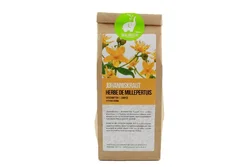
- Use St John's wort tea as a gentle alternative. A tea made from dried St John's wort can help balance mood and ease nervous restlessness. Pour two teaspoons of the herb with hot water and let it steep for about ten minutes. Drink up to three cups daily over several weeks.
- Make your own St John's wort oil in summer. Pick the fresh flowers in June, put them in a jar and cover with good olive oil. Let the oil steep for six weeks in a sunny place, shaking it regularly. Then strain and store in a dark place — the oil keeps for about one year.
- Try a St John's wort–lavender oil for a double effect. Combine fresh St John's wort with lavender flowers and olive oil. After a few days you get a fragrant oil that is anti‑inflammatory and soothes the skin. It is excellent for relaxing massages or caring for stressed skin.
- Use St John's wort for stomach complaints. A tea made from St John's wort can have a soothing effect on the digestive tract and help with heartburn, bloating or a nervous stomach. Drink the tea lukewarm, up to three times daily, but not for longer than two weeks in a row.
- Watch for possible side effects and allergies. If you notice skin redness, headaches or stomach complaints, stop taking the product and seek medical advice. If you have a known hypersensitivity to St John's wort or other plants, avoid its use.
- Do not take St John's wort together with antidepressants. Concurrent use can lead to a dangerous excess of serotonin. This may cause the so‑called serotonin syndrome, which can present with racing heart, agitation or dizziness.
St John's wort is a versatile medicinal plant with a long tradition that can support in cases of mild to moderate complaints. Responsible use in consultation with medical professionals is essential to ensure efficacy and safety. This way you can make the most of the beneficial properties of this remarkable plant for your well‑being.