Arnica
10 powerful tips from the yellow wonder flower
-
Buy only tested products
Obtain arnica preparations preferably from pharmacies or trusted manufacturers. Wild‑harvested arnica is protected in many regions and must not be removed.
-
Do not take internally in natural form
Arnica must not be taken raw. At higher concentrations, constituents such as helenalin can be harmful to health and may even cause heart rhythm disturbances. For internal use, arnica is therefore only used homeopathically in the form of highly diluted globules, tablets or drops.
-
Do not apply to open wounds
Arnica can cause strong irritation on open wounds. Use it only on closed injuries such as bruises or contusions. If you are using arnica for the first time, test tolerance on a small area of skin first.
-
Be aware of allergy risk
People with an Asteraceae allergy (e.g. to chamomile or marigold) may react to arnica with redness, itching or eczema. Pay particular attention to early signs of intolerance if you have sensitive skin.
-
Always dilute tinctures
Arnica tinctures can be irritating to the skin. Always dilute them with water before use (recommended dilution depending on application: 1:5 to 1:10). Undiluted tinctures should be used only sparingly and locally, for example for insect bites.
-
Practical infusion for inflammation
For a soothing compress, pour one tablespoon of dried arnica flowers with 100 millilitres of hot water, let the brew steep for ten minutes and cool. Soak a cloth with it and apply as a wrap to the affected area.
-
Make your own arnica oil
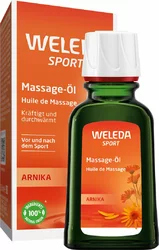
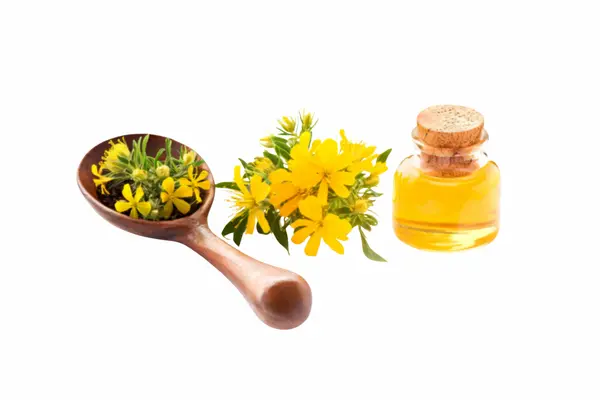
To make a nourishing oil, place 8 g of dried arnica flowers in 100 ml of olive oil. Let the mixture infuse for a week, then strain and transfer the oil into a dark glass bottle. The oil is suitable for gentle massage of muscle tension.
-
Gel for bite reactions, ointment for bruises
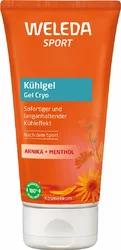
Arnica gel has a cooling effect and is good for insect bites to relieve redness, wheals and itching. Arnica ointment, with its thicker consistency, promotes circulation and is often better suited for bruises and contusions.
-
Application frequency for ointments and gels
Arnica ointments and gels can be applied up to three times daily for muscle tension, joint pain or sprains and massaged in gently. Follow the product instructions and discontinue use if skin irritation occurs.
- Diluted mouth rinses only for short-term use
To relieve inflammation in the mouth and throat, a strongly diluted tincture (ratio about 1:10) can be used several times daily as a mouth rinse. Do not swallow the solution. If symptoms persist, consult your dentist or doctor.