St John's wort
10 ways plant power can gently boost your mood
-
Choose standardized, quality preparations
Select St John’s wort products from a pharmacy that contain a defined amount of active compounds such as hypericin and hyperforin. Only standardized extracts guarantee a consistent effect – unlike homemade teas or oils, whose concentration can vary widely. Get advice before purchasing to find the right product and dosage for you.
-
Take St John’s wort consistently and for the long term
St John’s wort does not work immediately – its natural mood‑lifting effect typically appears after 2–4 weeks. For a stable outcome, experts recommend taking it for several months. Daily, as‑regular‑as‑possible intake is important, ideally in the morning or at midday.
-
Be aware of possible interactions
St John’s wort affects the breakdown of many medicines, including some antidepressants, blood thinners and hormonal contraceptives. Discuss its use with a doctor to ensure the herbal remedy can be used safely in your case.
-
Use sun protection while taking it
St John’s wort can increase skin photosensitivity. Avoid intense sun or tanning beds, especially with high‑dose preparations. During the day, apply a sunscreen with a high SPF – particularly if you have sensitive skin or take St John’s wort in summer.
-
Try St John’s wort tea for gentle support
A tea made from dried St John’s wort is harmonising and can help with nervous restlessness, upper abdominal discomfort, migraine or loss of appetite. Pour 1 level tablespoon of the herb over hot (not boiling) water and steep for 10–15 minutes. Drink up to three cups daily – but not for longer than two weeks without medical advice.
-
Caring for skin and muscles with St John’s wort oil
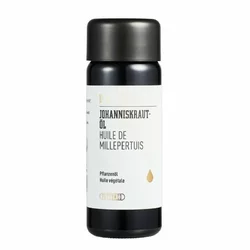
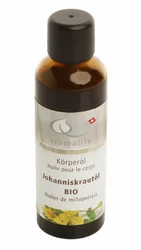
St John’s wort oil is a natural aid for irritated or tense areas of the body. Gently massage it in for muscle soreness, bruises, dry skin or after shaving. The oil helps regenerate the skin, soothes after sun exposure and leaves the skin feeling supple.
-
Use St John’s wort oil selectively and with caution
Never apply St John’s wort oil before direct sun exposure, as it increases photosensitivity. Evening application is ideal. Massage small amounts in slowly so the calming ingredients can penetrate deeply. Allow the oil to absorb briefly before dressing to protect fabrics.
-
Try a St John’s wort–lavender oil for double relaxation
A special combination is St John’s wort with lavender. The oil is soothing and anti‑inflammatory, making it ideal for massages, evening relaxation or as a nourishing bath addition.
-
Support your digestive tract with St John’s wort
St John’s wort does more than influence mood – for a nervous stomach, heartburn or upper abdominal discomfort, a tea or gentle preparation can have a soothing effect. Its calming action on the digestive tract makes St John’s wort a gentle companion for stress‑related complaints.
-
Watch your body and respond to changes
If you notice redness, headaches, stomach issues or unusual skin reactions, pause use and seek medical advice. If low mood persists or there is no improvement after several weeks, a medical check‑up is also important. That way you ensure St John’s wort fits your health situation optimally.