Restless legs syndrome
10 practical approaches for calmer legs
-
Use medication selectively and for limited periods
For restless legs syndrome, low‑dose medication can sometimes help temporarily reduce the urge to move. Long‑term use should be avoided where possible or closely monitored, as the body can become accustomed to it and symptoms may return or worsen.
-
Incorporate regular movement into daily life
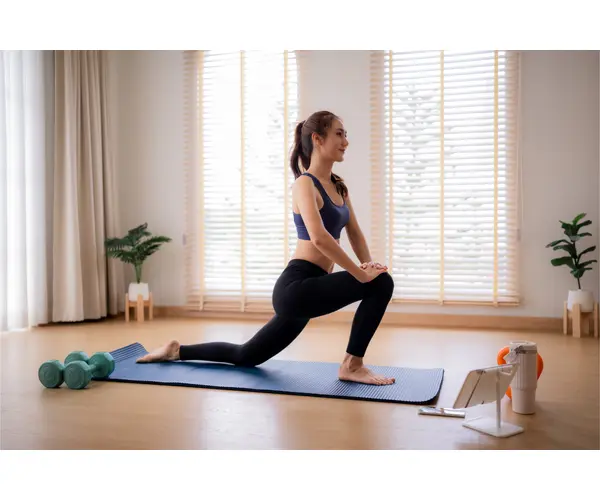
Exercise is important for RLS but should ideally be spread throughout the day. Walks or light workouts in the morning or afternoon are best, since vigorous activity in the evening can exacerbate symptoms.
-
Choose a balanced diet consciously
A diet low in sugar, white flour and heavily processed foods can be helpful. Instead, spelt, quinoa, amaranth and plenty of vegetables are good choices to provide balanced nutrition.
-
Include iron‑rich foods
Iron plays an important role in the body's production of dopamine. Good sources include legumes, tofu, pistachios, green vegetables and whole grains and pseudo‑cereals such as buckwheat or emmer. Vitamin C can enhance iron absorption, so pair iron‑rich meals with foods like peppers, citrus fruits, broccoli or sauerkraut.
-
Stay well hydrated
Adequate fluid intake supports the body. Water and unsweetened herbal or fruit teas are recommended, while caffeinated or alcoholic drinks should be reduced where possible.
-
Keep body weight in balance
A balanced body weight is part of an overall health‑conscious lifestyle. Increased abdominal fat can promote inflammatory processes in the body. A slow, sustainable reduction can therefore be part of a holistic approach to RLS.
-
Consciously reduce stress
Stress can amplify the perception of symptoms. Fixed daily routines and calm breaks help stabilise the body and reduce inner restlessness.
-
Practice relaxation techniques regularly
Techniques such as yoga, meditation, qigong or progressive muscle relaxation can help calm the legs and prepare the body for sleep.
-
Use brush massages as a feel‑good ritual
Gentle brush massages from the feet upwards are often perceived as pleasant. They can promote circulation and positively influence the perception of symptoms.
-
Create a deliberate evening routine
A calm evening without screens, combined with a warm bath, stretching or a massage, can help prepare the body for the night and reduce RLS symptoms.