Heart rhythm disorders
10 tips for a steady heartbeat in everyday life
-
Consciously shape your lifestyle
Avoid smoking, focus on a balanced diet with whole grains, fruit, vegetables and fish, and reduce meat consumption — all of this supports a stable heart.
-
Incorporate regular physical activity
Even short brisk walks of seven to eight minutes daily can promote cardiovascular health and help prevent heart rhythm disturbances.
-
Use relaxation techniques purposefully
Stress-related rhythm disturbances can be reduced through breathing exercises, yoga or progressive muscle relaxation, calming the nervous system.
-
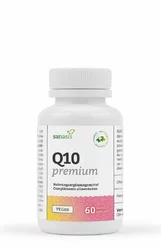
Coenzyme Q10 for heart energy
Coenzyme Q10 strengthens the energy supply of heart muscle cells. Plant sources include nuts, almonds, brassica vegetables and leafy greens. Additionally, a dosage of 2 mg per kilogram of body weight per day may be considered.
-
Herbal support for restlessness
Tea made from lemon balm, hops or valerian can calm the heart, especially for stress-related rhythm disturbances. Using it for several days enhances the effect.
-
Valsalva maneuver for sudden palpitations
For acute palpitations, it helps to take a deep breath, pinch the nose and exhale against the closed mouth. This activates the vagus nerve and can slow the heart.
-
Use cold stimuli
Measures such as pouring cold water on the face, sucking ice cubes or placing a cold washcloth on the forehead or chest can often relieve acute palpitations.
-
Recognize warning signs of bradycardia
If the heart rate falls below 60 beats per minute, the body may be underperfused. Dizziness, nausea or lightheadedness should therefore be taken seriously.
- Keep an eye on tachycardia
A resting pulse over 100 beats per minute can cause symptoms such as chest pain, shortness of breath or anxiety and should be medically evaluated.
-
Optimize sleep and stress in daily life
Adequate sleep, regular breaks and targeted stress management are good for the heart and reduce the risk of rhythm disturbances.