Restorative sleep
10 measures for deeper night-time rest
-
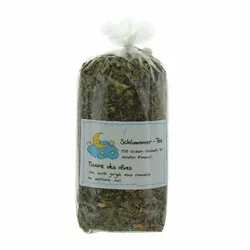
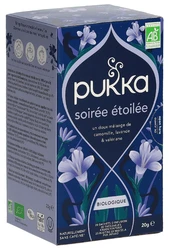
Use the power of herbs
In the evening, drink a tea made from lemon balm, hops, valerian or passionflower. These plant compounds have a calming effect on the nervous system and can help you fall asleep more quickly – especially when restlessness is stress‑related.
-
Optimise your bedroom
Ensure darkness, quiet and cool temperatures between 16 and 18 °C. Blackout curtains and earplugs, if needed, create an ideal environment for undisturbed sleep.
-
Keep regular sleep times
Go to bed and get up at roughly the same time every day, including weekends. A consistent rhythm regulates your internal clock and promotes restorative nights.
-
Reduce evening light
Dim the lights in living areas two hours before bedtime and use blue‑light filters on your phone, tablet or laptop. This helps melatonin to be produced optimally.
-
Small rituals before bed
A warm bath, gentle stretching or a cup of herbal tea signals your body that it is time to unwind. Repeating rituals can make falling asleep easier.
-
Use exercise purposefully
Regular physical activity during the day, especially outdoors, promotes deep sleep phases. Avoid intense workouts immediately before going to bed.
-
Choose light evening meals
Avoid heavy, fatty or protein‑rich meals late in the evening. Light snacks support digestion and make it easier to fall asleep.
-
Apply sleep aids judiciously
If you are still awake after 20 to 30 minutes, get up and do a quiet activity until you feel sleepy again. This helps avoid frustration and supports natural falling asleep.
-
Gentle sounds as support
Soft music or natural sounds such as rain or the sea can mask disturbing noises and ease falling asleep.
- Consciously avoid caffeine
Stop drinking coffee, black tea or cola about six hours before bedtime. These beverages stimulate the nervous system and can make it harder to fall asleep.