Pollen allergy
These 10 tips help with hay fever
-
Keep your windows closed during pollen season
Keep your windows closed as much as possible to minimise the entry of pollen into your rooms. Ventilate only briefly and by short bursts, preferably in the morning in the city and in the evening in the countryside. After prolonged rain, pollen concentrations are lower, so you can ventilate more thoroughly then.
-
Use air purifiers and humidifiers
Use air purifiers to sustainably reduce pollen concentration in your indoor air. In dry conditions a humidifier is useful because it keeps relative humidity at an optimal level of 40–60%. This protects the mucous membranes and relieves allergy symptoms.
-
Vacuum regularly with a HEPA filter
Use a vacuum cleaner with a HEPA filter to efficiently remove fine pollen particles instead of stirring them up into the air. It is advisable to have this task carried out by a non‑allergic person. Afterwards, mop the floor damp to remove any remaining pollen dust.
-
Wash your hair thoroughly in the evening
Wash your hair before going to bed to rinse out pollen that has accumulated during the day. This prevents you from bringing pollen into bed and reduces the pollen load in your bedroom.
-
Do not store worn clothes in the bedroom
Take off your daytime clothes outside the bedroom and store them there. This prevents pollen from entering the bedroom and disturbing your sleep. Even better is to wash clothing immediately after wearing it.
-
Do not dry your laundry outdoors
During pollen season, dry your clothes, towels and bedding in a tumble dryer or in a protected room. If you hang laundry outdoors, pollen can stick to it and may worsen your allergy symptoms.
-
Choose holiday destinations based on pollen levels
Plan your holidays so that you are exposed to as little pollen as possible. Especially low‑pollen regions are the mountains, islands or coastal areas. They allow you to relax during the season without allergy symptoms.
-
Wipe furniture surfaces with a damp cloth
Wipe your furniture and surfaces regularly with a damp cloth. This removes settled pollen instead of stirring it up into the air with a dry cloth.
-
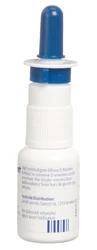
Use nasal rinses with isotonic saline solution
Rinsing the nose with a mild saline solution can ease pollen‑related symptoms. This natural method gently cleans the nasal passages and reduces the need for anti‑allergic medication.
- Use steam baths and essential oils
Inhale steam baths with saline solution to soothe irritated mucous membranes and relieve itching. A bath essence with essential oils, for example eucalyptus, fennel or lavender, acts decongestant and eases breathing.