Cold allergy
How to outsmart cold sensitivity
-
Care for your skin with moisturizing products
Use gentle, fragrance-free moisturizers and lotions to protect your skin from drying out. Products containing ceramides and hyaluronic acid also help strengthen the skin barrier.
-
Special care for sensitive hands
Because the hands have fewer oil and sebaceous glands, they often react more sensitively to cold. Use a regenerative hand cream and wear warm gloves in addition.
-
Avoid cold consciously
Avoid low temperatures as much as possible. Steer clear of cold weather, cold water and drafts to prevent unpleasant skin reactions.
-
Wear warm clothing
Protect your skin with warm, dense clothing. Hats, scarves, gloves and lined shoes are particularly important to shield sensitive areas from the cold.
-
Avoid cold water
Refrain from bathing or showering in cold water. A bath thermometer can help check the water temperature so you use only comfortably warm water.
-
Be careful with cold foods and drinks
A cold allergy does not only affect the skin from the outside; it can also be triggered by contact with cold foods. Avoid ice cream and very cold drinks to prevent skin reactions.
-
Keep room temperature moderate
Keep the room temperature in your home comfortably warm, but avoid excessive heating or air conditioning. Sudden temperature fluctuations can worsen symptoms.
-
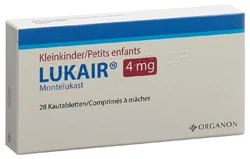
Use antihistamines selectively
Antihistamines can help with short-term symptom relief. Be sure to speak with your doctor to find the right medication and dosage for you.
-
Always have an emergency kit ready
If you experience a severe or systemic reaction to cold, you should carry an emergency kit with medications such as corticosteroids, antihistamines and, if necessary, an adrenaline auto‑injector.
- Get a medical diagnosis and individual advice
Have your cold allergy properly diagnosed by a dermatologist or allergist. Tests such as the ice cube test help determine your personal cold threshold and tailor therapy to your needs.