Sneezing
10 quick tips for the unexpected sneeze
-
Be careful in traffic and during sports
Because the eyes close reflexively when you sneeze, you should be prepared for sudden changes in brightness when cycling or driving. Avoid risky maneuvers immediately after the urge to sneeze.
-
Avoid suppressing sneezes
Do not hold back a sneeze by pinching your nose or keeping your mouth shut, as the pressure generated this way can promote mucous membrane injuries, sinus problems or middle ear issues.
-
Nasal rinses and inhalations for viral infections
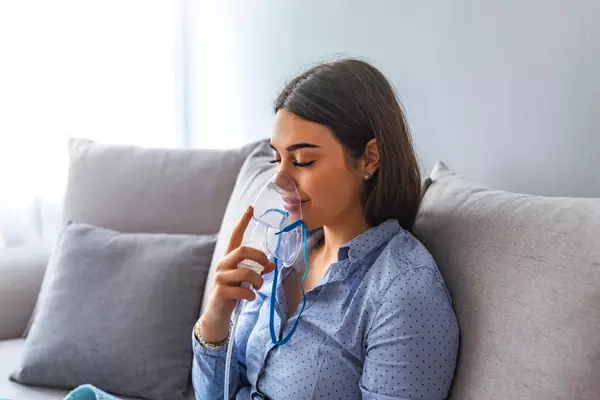
For sneezing caused by a cold, regular nasal rinses with saline solution and inhalations with essential oils help to clean the mucous membranes and relieve symptoms.
-
Avoid pollen deliberately
If sneezing is triggered by pollen, try to avoid being outdoors during high pollen concentrations. Close windows during pollen times or use pollen screens to reduce indoor exposure.
-
Measures against house dust mites
For a mite allergy, mite-proof covers for mattresses and pillows help. Wash bedding regularly at at least 60 °C to kill mites and reduce nasal irritation.
-
Care for textiles and soft toys
Wash soft toys and other fabric allergen sources regularly. If washing is not possible, you can freeze them for several hours to reduce the number of mites.
-
Use air purifiers and filters
Air purifiers or indoor air filters significantly reduce the concentration of dust and pollen and can help prevent sneezing fits. They are especially helpful in bedrooms and living areas.
-
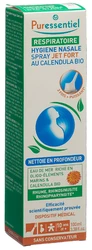
Use saline nasal sprays sensibly
Saline nasal sprays moisturise the mucous membranes, flush out allergens and soothe the inside of the nose. They are also a gentle complement to the use of corticosteroid nasal sprays.
-
Antihistamines as needed
For allergy-related sneezing, antihistamines can reduce the reaction. Use them according to the recommendation of your doctor or pharmacist (tablets or nasal spray).
- Hygiene
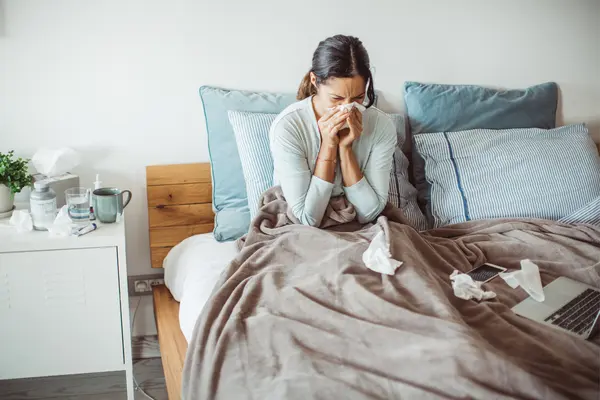
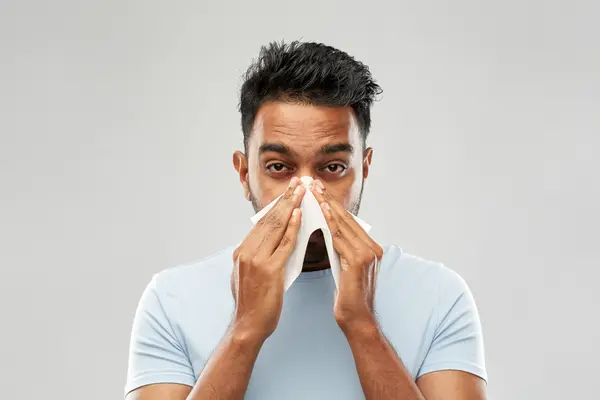
Sneeze into a disposable tissue and dispose of it immediately, or sneeze into your elbow if no tissue is available. Then wash your hands thoroughly.