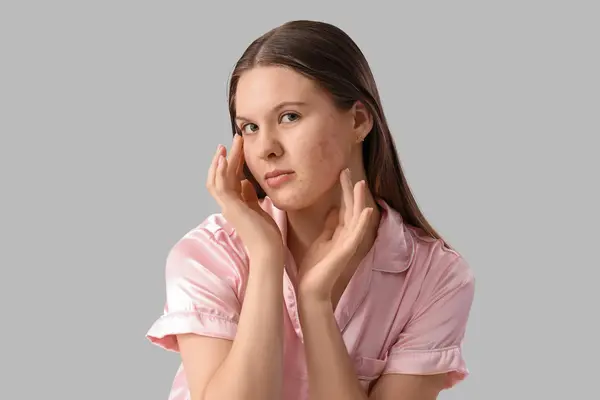
Pityriasis versicolor
10 practical tips for the proper treatment of skin spots
-
Recognise the harmless nature of tinea versicolor
Be aware that in most cases it has no health consequences. For many people the visible change in the skin is the main concern — which can be distressing, but usually does not cause physical problems.
-
Use topical treatments in a targeted way
At the first signs, prefer topical products such as creams, lotions or shampoos. These can help rebalance the skin environment and limit the spread of the yeast fungus.
-
See a doctor for extensive changes
If larger skin areas are affected or the changes recur, it may be advisable to have the situation assessed by a physician. This allows the approach to be tailored individually.
-
Be patient during skin recovery
Expect the skin’s appearance to normalise slowly. Even if visible changes diminish, it can take time for natural pigmentation to fully even out.
-
Reduce greasy skincare products consciously
Avoid heavily greasy creams or oil-based products, especially in warm weather. These can stimulate sebum production and create an environment that favours yeasts.
-
Choose skin-friendly cleansing
Opt for mild cleansers that respect the skin’s natural pH. This helps preserve the skin’s acid mantle and contributes to a balanced skin environment.
-
Pay attention to moisture balance
Too-dry skin is unfavourable, but excessive moisture can also affect the skin climate. Appropriate care can support this balance.
-
Shower promptly after sweating
This removes sweat from the skin and contributes to a drier, more balanced skin environment.
-
Wear breathable clothing
Choose loose, airy clothing made from materials such as cotton. These absorb moisture better and help keep the skin dry.
- Maintain consistent daily hygiene
Change tight-fitting clothes and towels regularly and wash them thoroughly. A well-ventilated, relatively cool indoor climate can also help create a skin-friendly environment.