Painkillers
10 tips for mindful use of pain-relieving remedies
-
Overview of different analgesic groups
Analgesics can broadly be divided into different groups that act differently in the body. Non-opioid agents such as paracetamol, ibuprofen, acetylsalicylic acid or diclofenac are often used for milder complaints, while opioid medications may be used for stronger sensations of pain.
-
Common active ingredients and everyday combinations
Over-the-counter painkillers often contain the well-known active ingredients paracetamol or ibuprofen. Some preparations also include caffeine as an additional component.
-
Topical use with menthol and capsaicin
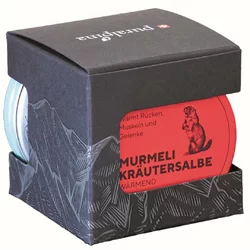
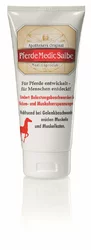
For external use, substances such as menthol or capsaicin can be applied. Menthol produces a cooling sensation and is frequently used for local discomfort in the muscle area. Capsaicin is also applied externally and may, with prolonged use, contribute to an adjustment of pain sensitivity.
-
Herbal ingredients as a complementary option
Herbal pain remedies, so-called phytomedicines, often contain ingredients such as arnica, calendula or comfrey. Oils or extracts from peppermint, rosemary or devil's claw are also used. These products are available in various forms and can be a useful complement.
-
Consider different formulations
Pain remedies containing herbal or other ingredients are available as teas, ointments, oils or finished medicinal products. Finished medicinal products in particular offer the advantage of a standardized content. This ensures you receive a consistent composition with each application.
-
Limit duration of use consciously
Analgesics should not be taken for extended periods without professional advice. Too frequent use can impair tolerability. It is therefore sensible to keep an eye on the duration of use and not to extend it independently.
-
Be aware of interactions with foods
Certain foods, such as grapefruit juice, can affect the processing of active substances in the body. Therefore, it is recommended to be cautious during intake and to avoid possible combinations. When in doubt, consult a healthcare professional.
-
Use non-pharmacological measures as a complement
Non-pharmacological measures can also be used for support. These include, for example, rest, a structured daily routine, adequate physical activity and relaxation exercises. These approaches can complement the overall management of complaints.
-
Special notes for certain groups of people
Particular caution is required when using analgesics in children, older people or during pregnancy. Some active ingredients are only recommended to a limited extent in certain age groups or life situations.
- Always report other medicines and preparations
If you take other medicines or herbal products, you should disclose this information. Dietary supplements can also influence the effect.