Stomach discomfort
10 gentle strategies for unpleasant stomach symptoms
-
Take your time when eating
Eat mindfully and in a calm environment. Chew each bite thoroughly to start the digestive process in your mouth. This helps prevent overloading the stomach and allows you to better judge when you are full.
-
Choose light, easy-to-digest foods
For stomach discomfort, softly cooked foods such as rice, potatoes or oatmeal are suitable. Longer cooking and pureeing make foods easier to digest and can reduce irritation of the stomach lining.
-
Apply heat where needed
A hot water bottle or a warm full bath can relax the abdominal muscles and relieve cramps. Using heat regularly can be especially soothing for recurring symptoms.
-
Plan for herbal teas
Tea made from chamomile, fennel, anise, caraway, sage or lemon balm can calm the stomach. Drink a small cup several times a day to create a pleasant warming and soothing effect.
-
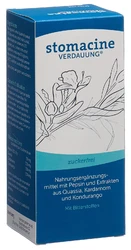
Use bitters to support digestion
Bitter foods like dandelion, artichoke, spinach or turmeric can help digestion. Bitters from the pharmacy can also be a useful supplement before or after meals.
-
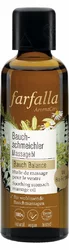
Give yourself a gentle abdominal massage
Massage your abdomen with light circular movements and essential oils, for example caraway, peppermint or cardamom. This can promote digestion and relieve tension.
-
Plan fluid intake deliberately
Drink enough water or unsweetened herbal teas to keep digestion moving. Sip throughout the day to avoid feelings of pressure and constipation.
-
Adjust your clothing
Tight trousers or belts can compress the abdominal area and burden digestion. Prefer loose, comfortable clothing, especially after larger meals or when you have stomach discomfort.
-
Integrate movement into your daily routine
Regular, moderate activity such as walking or yoga can support digestion and reduce stress. This is particularly helpful for stress-related stomach complaints.
- Use abdominal compresses
A warm, moist compress with chamomile tea can relax the abdomen. Wrap a tea towel in the cooled tea, squeeze it lightly and place it on the belly for 20 to 30 minutes.