Pain therapy
10 tips to take your pain management to the next level
- \n
- \n
Make sensible use of multimodal pain therapy
\n \n
Rely on an integrative treatment that combines medical, psychological and physiotherapy approaches. Together with your therapy team you create an individual plan specifically tailored to your complaints and life situation.
\n- \n
- \n
Comprehensive diagnostics as a foundation
\n \n
A detailed examination is crucial. It not only covers your physical complaints but also psychological and social factors. This allows causes to be identified and makes your pain therapy more effective.
\n- \n
- \n
Physical activation through targeted exercises
\n \n
Regular physiotherapy and exercise therapy help to strengthen and stretch the muscles. You learn how to gradually reintroduce movement into your daily life despite pain, to overcome fear of movement and relieve tension.
\n- \n
- \n
Seek psychological support
\n \n
Stress, anxiety and negative thoughts can intensify pain. With psychological techniques such as cognitive restructuring or mindfulness training, you learn to cope better with strain and to reduce your perception of pain.
\n- \n
- \n
Use relaxation techniques deliberately
\n \n
Progressive muscle relaxation, autogenic training or breathing exercises reduce physical tension and enhance body awareness. These methods should be practised regularly in daily life to relieve pain in the long term.
\n- \n
- \n
Use heat as a soothing therapy
\n \n
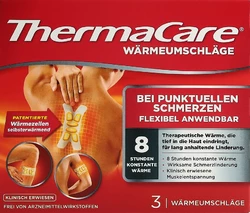
Heat applications, such as infrared lamps or warm packs, promote circulation, release tension and help reduce pain. However, be careful to avoid heat in the case of acute inflammation, as it could make things worse.
\n- \n
- \n
Complement with massages and electrotherapy
\n \n
Regular massages loosen tight muscles, while TENS (transcutaneous electrical nerve stimulation) can inhibit pain transmission. These techniques are particularly suitable for chronic muscle and joint pain.
\n- \n
- \n
Explore acupuncture as a complementary method
\n \n
Traditional Chinese medicine, for example in the form of acupuncture, can provide additional relief for certain types of pain such as osteoarthritis or migraine.
\n- \n
- \n
Focus your diet on anti-inflammatory foods
\n \n
A balanced diet including anti-inflammatory foods like omega‑3 fatty acids, fruit and vegetables supports your overall health and can have a positive effect on your pain symptoms.
\n- \n
- Address negative thought patterns with cognitive behavioural therapy \n
You learn how your thinking influences your pain experience. With therapeutic strategies you can change unhelpful thought patterns and thereby reduce the intensity of pain and its impact.