Headaches
10 proven ways to relieve pressure in the head
-
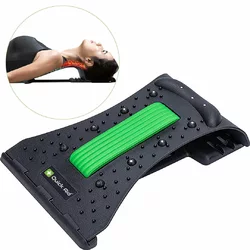
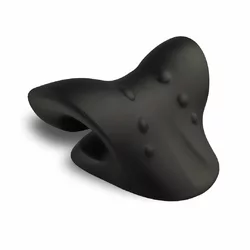
Targeted stretching for tension headaches
Regular stretching exercises for the neck, shoulders and upper back release muscular shortening. This can help prevent tension-related pain and reduce existing tightness.
-
Plan for moderate exercise
Light aerobic activities such as brisk walking or cycling can lower the frequency of various headache types. Exercise reduces stress hormones and helps normalise overall muscle tension.
-
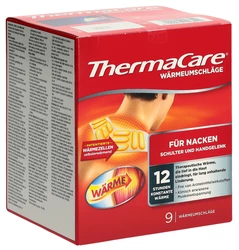
Use heat applications for neck and shoulders
A warm bath at about 38 °C or targeted heat from compresses can relax cramped muscles. Alternating shower stimuli from cool to warm also promote circulation and relieve tension.
-
Apply cooling for fever-related symptoms
If needed, place a cool, damp cloth on the forehead or the neck. Vasoconstriction can, especially with infection-related complaints, reduce the perception of pain.
-
Use plant-based rubs selectively
For acute pain, you can apply a thin layer of peppermint oil to the forehead or temples. Alternatively, a gentle rub with diluted lavender or tea tree oil can relax the muscles.
-
Integrate relaxation techniques into daily life
Autogenic training, progressive muscle relaxation or meditation help reduce stress-related complaints in the long term. Regular practice is crucial, and not only during acute episodes.
-
Try Kneipp-style applications
Contrast showers or gradually increasing foot and hand baths can be supportive for migraine. Some people also report positive effects from mustard-flour footbaths.
-
Review your diet critically
If symptoms occur after consuming certain products, foods high in glutamate, aspartame or histamine could be the cause. Observe your reactions to convenience foods, diet drinks, aged cheese or wine.
-
Loosen shoulder and neck muscles specifically
Use warm air, for example from a hairdryer on a low setting, to relax tense areas. A warmed cherry stone cushion can also provide local relief.
- Seek medical assessment for unusual symptoms
If pain occurs together with fever, neurological deficits or coagulation disorders, you should seek medical advice. Such accompanying signs require professional evaluation.