Stomach pain
10 simple tips to finally calm your stomach
- Abdominal massage for increased well‑being
Gently massage your abdomen clockwise to stimulate blood circulation and relax tense muscles. A few drops of cumin oil enhance the soothing effect and can help relieve cramps and bloating.
- Use warm compresses
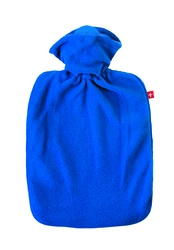
If you have abdominal discomfort, place a hot water bottle, a warm cherry‑pit cushion or a warm, damp towel on your belly. Heat relaxes the muscles and eases pain through its relaxing effect.
- Choose comfortable clothing
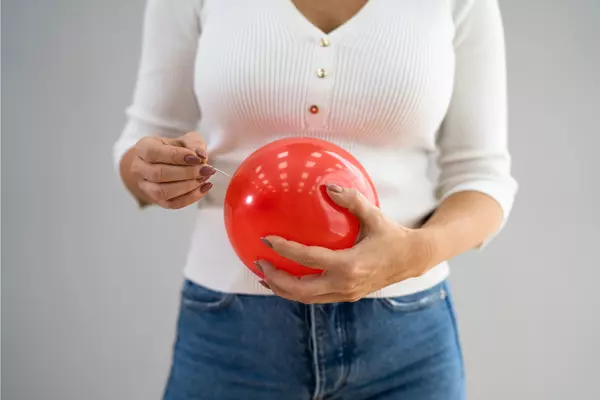
Tight trousers and belts can put pressure on the abdominal cavity after meals and promote bloating and cramps. Opt for loose clothing that allows space for relaxation.
- Divide your meals into small portions throughout the day
Avoid heavy, large meals as they can overload the digestive tract. Instead, eat several small portions spread over the day to ease your stomach and prevent discomfort.
- Drink enough, but correctly
Water and mild herbal teas such as chamomile, fennel or anise support digestion and have a calming effect. Avoid sugary and fizzy drinks as they can irritate the stomach.
- Plan movement after meals
A 10–15 minute walk stimulates digestion, reduces the feeling of fullness and prevents bloating. It is therefore ideal after larger meals.
- Prefer easily digestible foods
Choose cooked vegetables, crispbread, rice or lean poultry. These foods are prepared gently and place less strain on the stomach than fatty, heavily spiced or raw dishes.
- Consider individual intolerances
Be mindful of foods that may trigger problems for you. Explore your personal tolerance to lactose, fructose, gluten or fibre‑rich foods such as legumes.
- Recognise and minimise stress as a trigger
Since stomach pain can also have psychosomatic origins, it is useful to become aware of psychological burdens and reduce them, for example through regular breaks, meditation or talking with others.
- Use relaxation techniques for stomach pain
Try to practise relaxation exercises regularly, such as autogenic training, progressive muscle relaxation or mindful breathing techniques.