Massage
10 body‑balance tips for inner and outer harmony
-
Create an atmosphere that soothes instantly
A massage reaches its full effect only in a room that radiates warmth, calm and security. Ensure a comfortable temperature, dimmed lighting and, ideally, gentle music. Scented candles or essential oils — for example lavender or orange — can further contribute to a relaxing ambience.
-
Give your body regular relaxation breaks
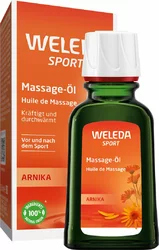
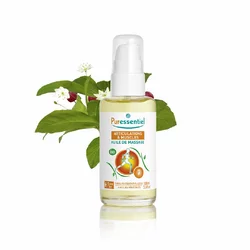
Massages act like a reset for body and mind — they reduce stress, calm the nervous system and enhance overall well‑being. Even short self-massages in between help to release inner tension. Relaxing massage oils or balms from the pharmacy are particularly suitable.
-
Use high‑quality massage oils or lotions
Well‑formulated oils improve glide while protecting the skin. Jojoba oil, almond oil or light massage lotions are absorbed especially gently and promote a smooth skin feel. Warm oil feels doubly soothing and supports muscle relaxation.
-
Listen to your body's signals
Whether neck, shoulders, back or legs: everyone stores tension in different places. Tune in consciously and focus on the areas that feel particularly hard, tired or tender to pressure. That way you’ll get the most out of every minute of massage.
-
Don't massage too quickly – slow movements work deeper
Gentle, intentionally guided movements soothe the nervous system and release layers of tension more sustainably than frantic pressing. Slowness is one of the strongest amplifiers of effect when massaging.
-
Support your health holistically
Massages improve circulation, aid recovery after sport, promote sleep and relieve everyday muscle fatigue. Combined with sufficient water, movement and good posture, the effect becomes even more pronounced.
-
Integrate short self‑massage rituals into your daily routine
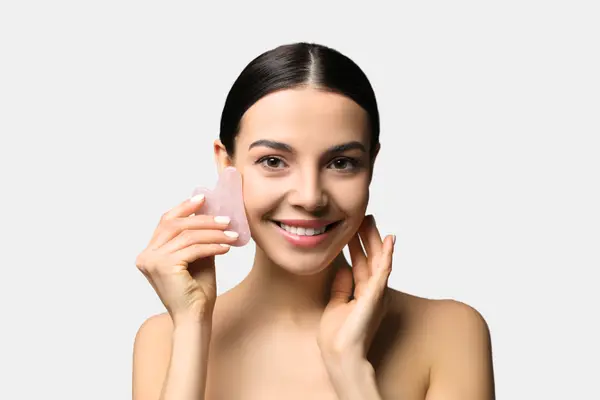
Whether face, scalp, neck or feet — small daily rituals are surprisingly effective. A facial roller, a massage ball or a fascia roller can further enrich your routine.
-
Choose a massage technique that suits your current need
Whether you want to relax, release tension or recharge — each massage technique produces its own effect. Pay attention to whether gentle stroking, deeper kneading or light vibrations feel best. Your body will intuitively show you which touch it really needs at that moment.
-
Use your breath as an amplifier of relaxation
Breath is one of the strongest natural helpers for relaxation during a massage. A long, calm exhale helps the body to let go deeply and to release tension. If you consciously breathe into tense areas, the muscles can open more easily — and the massage becomes noticeably deeper and more effective.
-
Allow yourself time afterwards to feel the effects
The body continues to absorb the massage's effects even after the final stroke. Rest briefly afterwards, drink water or a calming tea. A nourishing body cream or a regenerating gel from the pharmacy will extend the relaxation further.