Osteoporosis
With these 10 tips ensure optimal bone health
-
Choose diverse sources of calcium
In addition to dairy products, include plant-based foods such as almonds, sesame and legumes to comprehensively meet your calcium needs.
-
Avoid foods that hinder calcium absorption
Limit high-fat and high-salt dishes as well as heavily processed products, as these can interfere with calcium uptake and promote bone loss.
-
Consume magnesium-rich foods
Eat whole grains, bananas and green vegetables to support your metabolism and promote healthy bones.
-
Eat fatty sea fish regularly
Salmon, herring and mackerel provide valuable vitamin D, which is essential for calcium absorption and bone health.
-
Use daylight for vitamin D
Spend time outdoors every day with uncovered skin on your arms and face to naturally support vitamin D production.
-
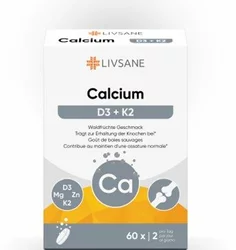
Discuss supplements with your doctor
If you are unsure whether your body is getting enough vitamin D and calcium, a medical consultation is advisable.
- Move your bones regularly
Include activities that load your bones in your daily routine, for example brisk walking, dancing or climbing stairs. This stimulates bone formation and improves your balance.
-
Strengthen bones and muscles specifically
Perform strengthening exercises such as squats or push-ups to firm your bones and build muscle strength.
-
Train your balance regularly
Balance exercises from yoga increase your stability and reduce the risk of falls.
- Avoid smoking and alcohol
Both habits negatively affect bone structure and can accelerate bone loss.