Bones
10 ways to a strong skeletal structure
-
Maintain a healthy body weight
A BMI of roughly 20 to 25 is favourable for bone health. Underweight increases fracture risk due to nutrient deficiencies, while significant overweight strains the joints. In older people a slightly higher BMI can be acceptable — consider the individual situation.
-
Aim for an acid–base balance
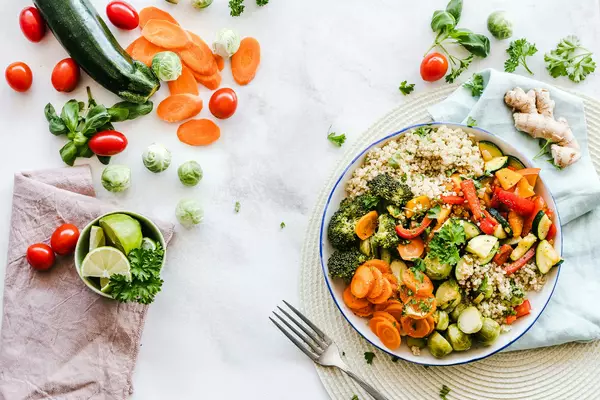
A very acid‑forming lifestyle can lead to minerals being leached from the bones. Reduce intake of salt, alcohol and caffeinated drinks and instead emphasise fruit and vegetables to help maintain balance.
-
Ensure adequate calcium intake
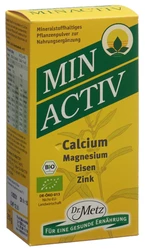
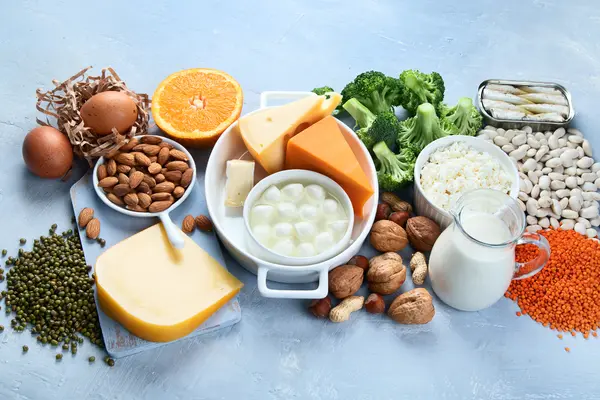
Calcium is the main building material of bone. Meet daily requirements (approx. 1'000 mg for adults) through foods such as dairy products, tofu, green vegetables, figs or calcium‑rich mineral water.
-
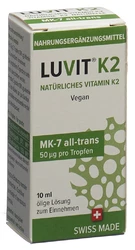
Vitamin D: use sunlight, discuss supplements with your doctor
Vitamin D improves calcium absorption and its deposition in bone. Short sun exposure (depending on skin type and season) is helpful. In autumn and winter a supplement can be useful. Discuss dosage with your GP.
-
Sufficient protein for bones and muscles
Protein is important for bone matrix and muscle strength. Good sources include meat, fish, eggs, dairy, tofu, nuts and legumes. Include these foods regularly, especially with increasing age.
-
Avoid smoking
Smoking impairs nutrient supply to bone tissue and increases the risk of fractures, particularly with osteoporosis. Complete cessation is the best prevention.
-
Get moving: bones need mechanical stimulus
Mechanical loading stimulates bone formation. Incorporate regular activity such as walking, jogging, hiking or dancing into your daily routine to stimulate bone metabolism.
-
Choose the right sport: high‑ vs. low‑impact
Short, forceful impacts (e.g. running, hopping, ball sports) stimulate bone more than purely joint‑friendly activities like swimming or cycling. Complement low‑impact sports with load‑bearing sessions adapted to your fitness level.
-
Three simple exercises for home
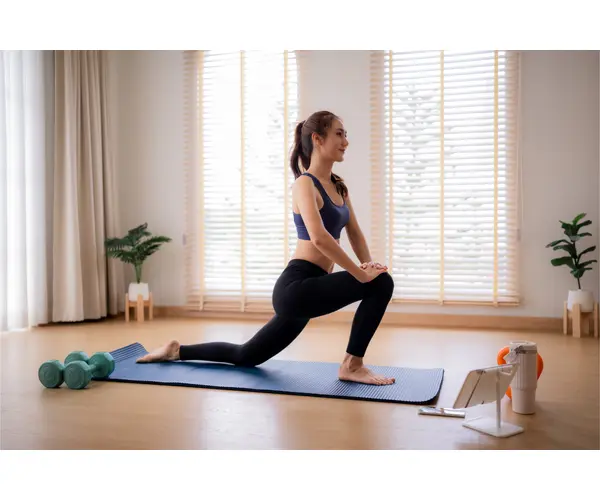
Light exercises activate bone metabolism and musculature: wall support (approx. 10 repetitions), door press (approx. 10 repetitions) and pelvic lifts (5–10 repetitions). These exercises are easy to perform and suit everyday life.
- Fall prevention and aids if needed
With advanced weakness or osteoporosis, orthopaedic insoles, walking aids, non‑slip mats or back‑support braces can be useful. Seek professional advice to ensure aids fit your daily needs.