Calcium
10 tips to make your bones stronger than ever
-
Take daily calcium needs into account
Depending on age and life stage, you should pay attention to your individual calcium intake. Adolescents need about 1’200 mg, adults under 50 years 1’000–1’200 mg and people over 50 about 1’000 mg daily. Pregnant and breastfeeding women should also take in around 1’000 mg of calcium to meet their increased needs.
-
Choose calcium from dairy products consciously
Milk, yoghurt and cheese are well-known sources of calcium. Camembert, for example, provides up to 570 mg of calcium per 100 g. Be mindful of the ecological impact of your milk consumption and vary with plant-based sources.
-
Include legumes regularly in your diet
Chickpeas, white beans and soybeans are rich in calcium (up to 120 mg per 100 g) and, alongside minerals, contribute to bone health with their fibre content.
-
Reduce the influence of “calcium thieves”
Foods that contain phosphates (e.g. cola, processed meat), oxalic acid (raw spinach, rhubarb) or phytic acid (raw cereals, nuts) can inhibit calcium absorption. It is best to enjoy such foods at different times from calcium-rich meals.
-
Use calcium-rich mineral water as an additional source
Mineral water with at least 150 mg of calcium per litre and particularly calcium-rich variants with up to 500 mg can help cover your daily requirement and are an easy complement to your diet.
-
Always combine calcium intake with vitamin D
Vitamin D promotes calcium absorption in the intestine and supports its incorporation into bone. Ensure adequate vitamin D supply, either through sunlight or by consuming certain foods such as oily fish and butter.
-
Use green vegetables as a natural source of calcium
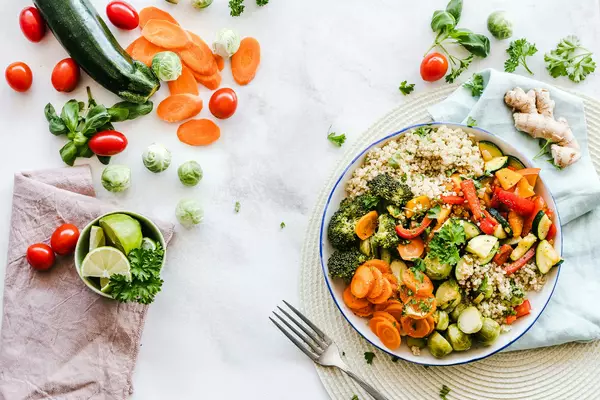
Green vegetables like broccoli, fennel, kale or nettles contain a lot of calcium – in some cases even over 700 mg per portion, as with nettles. They are a good plant-based alternative or supplement to dairy products.
-
Use cooking and soaking to improve calcium absorption
Oxalic and phytic acids in foods can be reduced by heating or soaking. However, avoid reusing the cooking or soaking water, as the acids dissolve into it.
-
Observe the recommended upper limit for calcium intake
Daily calcium intake should not exceed 2'000 mg for people over 50 and 2'500 mg for younger individuals. Overdosing could carry health risks and should therefore be avoided.
- A varied and balanced diet protects against calcium absorption inhibitors
Avoid eating more than 50% of your food raw and focus on variety. This minimises the negative effects of oxalates and phytates and supports optimal calcium supply for strong bones.