Moths
10 tips against small moths in the wardrobe & in the kitchen
-
Recognise typical signs early
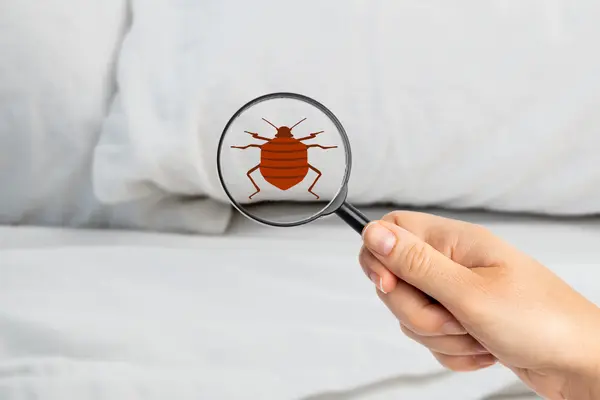
Watch for fine webs in stored food or small, irregular holes in textiles. Larvae or crawling insects on walls can also be an indication. Regularly checking your cupboards helps to notice a possible infestation early.
-
Store food securely
Transfer dry goods such as flour, rice or nuts into airtight glass or ceramic containers. Thin paper or plastic packaging often does not provide reliable protection. High-quality storage tins can be a useful addition.
-
Clean cupboards thoroughly
Vacuum cracks and corners carefully and wipe surfaces with vinegar water. Hard-to-reach areas can also be treated with warm hairdryer air. These measures support a hygienic environment in the kitchen or wardrobe.
-
Use pheromone traps for monitoring
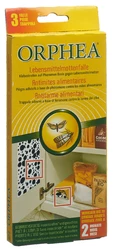
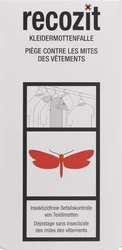
Special sticky traps can help estimate the extent of an infestation. They are primarily used for monitoring and provide clues about present insects. Keep windows closed to avoid attracting additional insects.
-
Rely on natural scent barriers
Lavender sachets or cedarwood rings are traditionally used to keep cupboards smelling fresh. Many people find the scent pleasant, while moths tend to avoid it. Such products can be a natural complement to prevention.
-
Wash or chill affected textiles
Durable fabrics can be washed at 60 °C. Delicate materials such as wool or silk can be stored in the freezer for several days. Heat or cold can help make textiles usable again.
-
Avoid sweat residues in the wardrobe
Worn clothing should not be put back without washing. Residues of skin flakes or sweat can attract moths. Freshly washed and fully dried textiles provide a better basis for storage.
-
Check rarely used areas too
Attics, cellars or boxes that are rarely opened are popular hiding places. Check stored clothing and household textiles regularly. Newspaper or airtight bags can help here.
-
Pay attention to packaging when shopping
Check food packaging for small holes or damage. Sometimes eggs or larvae already enter the home with purchased products. A careful shopping routine can help avoid unwanted hitchhikers.
-
Keep kitchen and living areas clean
Crumbs, pet hair or dust provide ideal conditions for insects. Regular vacuuming and thorough cleaning support a well-kept environment. Suitable cleaning and protection products can be helpful.