Stain removers
10 strategies against stubborn stains in everyday life
-
Act immediately – time is crucial
The fresher the stain, the better the chances of success. Blot excess liquid or solid residue carefully – never rub. Fresh soiling is much easier to remove than dried-in residue that has penetrated deep into the fibres.
-
Identify the type of stain
Differentiate between grease, dye, pigment or mixed stains. Oil, butter or cream are grease stains; red wine or coffee are dye stains; make-up or soil are pigment stains. Correct classification determines the choice of the appropriate product.
-
Always pre-treat stains
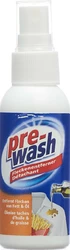
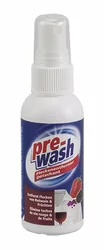
Pre-treatment is the key to successful stain removal. Apply gall soap, a stain spray or liquid detergent directly to the affected area and allow the product to work. For stubborn stains, additional soaking is recommended.
-
Use cold or warm water as appropriate
Blood and protein stains should be treated only with cold water, as heat fixes the proteins. Coffee or make-up can, however, be rinsed with warm water. Always check the care label of the garment first.
-
Use proven helpers from the household and drugstore
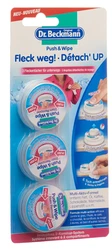
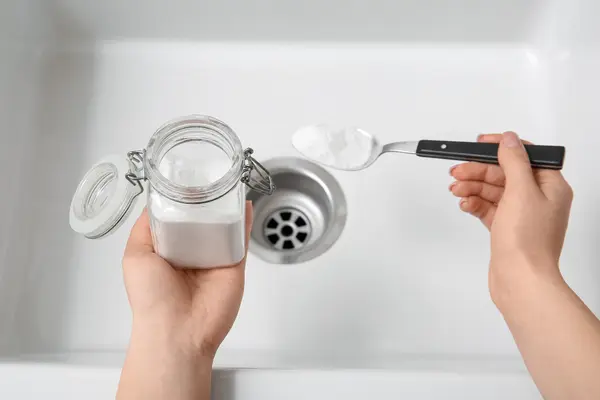
Gall soap, stain sticks, stain salts or oxygen-based products work specifically against different types of soiling. In addition, home remedies such as salt, lemon juice, baking soda or cornflour can be used. Drugstores offer specially formulated products for whites, colours or delicate textiles.
-
Treat grease stains correctly
For cooking oil, grease or cosmetics, a generous pre-treatment with gall soap or cornflour helps. Starch binds the fat, gall soap draws it out of the fibres. Then put the textile into the washing machine without rinsing it first.
-
Use active oxygen for dye stains
Red wine, coffee or fruit juice contain natural colour pigments. Here, stain salts or oxygen products with active oxygen are particularly effective. For coloured laundry, be sure to follow the application instructions to avoid fading.
-
Remove chewing gum and wax with cold
Place the affected garment in the freezer for about an hour. Hardened residues can then be carefully scraped off. This method protects the fibres and avoids chemical solvents.
-
Be aware of special problem cases
Sunscreen can permanently discolour textiles, rust requires special rust removers. Permanent markers or waterproof ink need professional specialist products. In such cases, targeted advice from a specialist retailer is worthwhile.
-
Only dry after complete removal
Check the garment carefully after washing. If the stain is still visible, repeat the treatment. Heat in the dryer permanently fixes any remaining residues – so only dry once the textile is completely clean.