Household pests
10 tips to drive away uninvited crawlies faster than they appear
-
Store food safely – airtight and protected
Store all dry foods such as flour, muesli or nuts in well-sealed glass or metal containers. Pests like moths or beetles can enter through tiny gaps in paper packaging. Check supplies regularly for signs such as cobwebs, accumulations of crumbs or clumping.
-
Buy only what you will use in the short term
Large stocks attract insects unnoticed – especially in warm kitchens or pantries. Buy smaller quantities and move older supplies to the front. This prevents undetected pests from reproducing.
-
Clean kitchen, pantry and storage rooms thoroughly
Dirt, dust and crumbs are ideal food sources for pests. Vacuum regularly, especially behind cabinets, the fridge and the stove. Beat out carpets and keep cellar and attic clean.
-
Keep rooms dry – moisture is a pest magnet
Silverfish, woodlice and cockroaches love damp corners. Ventilate regularly, heat to at least 16 °C in winter, and dry damp spots for example with a hairdryer.
-
Seal entry points consistently
Cracks in walls, skirting boards and windows give pests access. Seal gaps with silicone or sealing tape. Even a hole the diameter of a little finger is enough for mice to enter.
-
Use natural deterrents
Many pests react sensitively to certain scents. Lavender, cedarwood or essential oils keep moths, silverfish and ants away.
-
Use targeted tools in case of an acute infestation
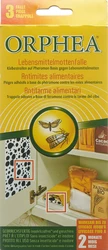
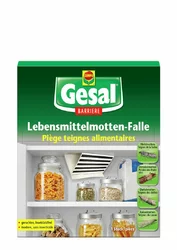
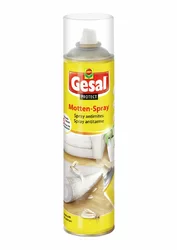
Attractant traps, pheromone traps, bait stations or sprays help reduce pest pressure in the short term. It is important, however, to identify the species first. The wrong remedy will only make the problem worse.
-
Remove potential nests in and around the house
Bird nests, old pet food residues, dried flowers, salt-dough figures or old taxidermy can attract pests. Check these sources regularly and dispose of them where possible.
-
Protect clothing and textiles reliably
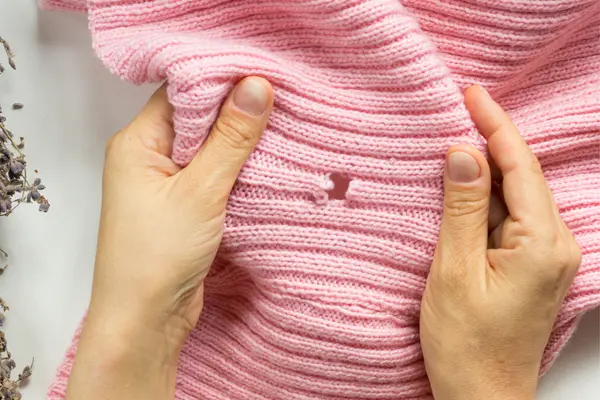
Check wardrobes, vacuum corners thoroughly and put seldom-worn clothing in sealable bags. Moths love stillness and natural-fibre fabrics – regular airing disrupts their life cycle.
-
Act calmly in case of heavy or dangerous infestations
If you see cockroaches or rats during the day or notice heavy reproduction, this is a sign of a massive infestation. In these cases home remedies and DIY chemicals are not enough – call professional pest control.