Lip care
10 ways to healthy-looking, hydrated lips
-
Exfoliate your lips once a week for a smooth surface
A gentle lip scrub removes dead skin cells and immediately improves product absorption. Massage a scrub with fine sugar crystals or natural fruit particles in circular motions and rinse with lukewarm water. This creates the ideal base for soft, well-kept lips – a scrub from the drugstore makes this step particularly straightforward.
-
Supply daily moisture to prevent dryness
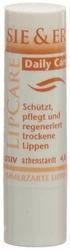
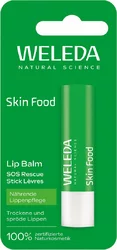
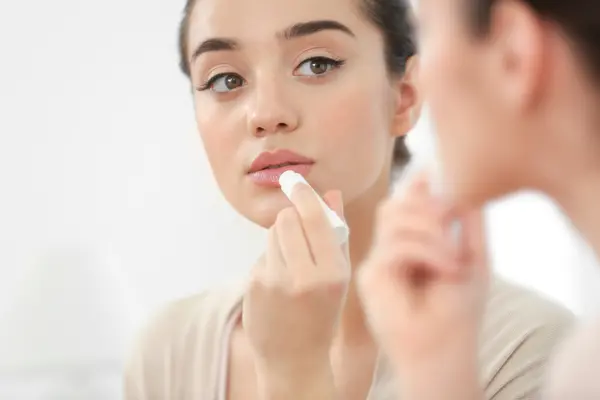
Your lips have no sebaceous glands and therefore dry out especially quickly. Use a rich lip balm stick containing plant oils, shea butter or beeswax several times a day. These ingredients bind moisture, strengthen the lip barrier and reliably protect against wind and cold.
-
Use a reparative intensive treatment for cracked lips
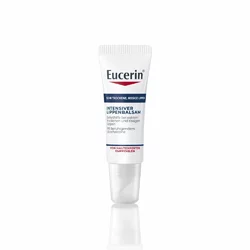
The skin regenerates particularly well overnight. In the evening, apply a generous layer of a rich lip balm – ideally containing shea butter, panthenol or vitamin E. These active ingredients soothe irritated lips, repair small cracks and deliver noticeably more suppleness in the morning.
-
Don't forget UV protection
The skin on the lips is extremely thin and especially susceptible to UV damage. Choose a lip balm with SPF 20-50 in summer and winter to help prevent premature skin ageing and herpes flare-ups.
-
Avoid bad habits that dry out your lips
Licking your lips, biting them or constant heat from a hairdryer can heavily irritate the delicate skin. Consciously reduce these habits – they are among the most common reasons for chronically dry lips. A nourishing lip balm carried daily helps establish replacement habits.
-
Look for hydrating, natural ingredients
Shea butter, beeswax, almond oil, castor oil or vitamin E supply the lips with important nutrients and protect them sustainably. These natural formulations are excellent for sensitive skin and work more effectively than mineral oil-based alternatives.
-
Drink enough and strengthen your lips from the inside
Dehydration shows up quickly on the lips. Two litres of water a day support a supple lip texture. In addition, zinc, iron and the vitamins B2 and B12 promote a healthy skin barrier. A balanced diet or supplements from the pharmacy can be useful here.
-
Apply lip colour consciously
Matte lipsticks often dry the lips out more. Instead, choose tinted lip balms or lipsticks containing vitamin E or natural oils. These provide colour while also caring for the lips, without stressing the delicate lip skin – ideal for everyday use.
-
Care for your lips at home with simple, natural remedies
Honey, avocado oil or olive oil are excellent for quick treatments. A homemade scrub of sugar and honey or a quark-and-honey mask soothe irritated lips and provide intense hydration. For on-the-go care, a homemade lip balm of cocoa butter and beeswax is a nourishing alternative.
-
Use regular care routines for long-term beautiful lips
A consistent routine is key: exfoliation, moisturising care, UV protection and occasional intensive masks keep your lips protected from dryness and cracks over the long term. Pharmacy or drugstore products often offer optimised formulations specifically tailored to lip skin and deliver quick results.