Dry lips
10 care secrets for softer, smoother lips
-
Care for your lips daily with a high-quality balm
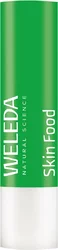
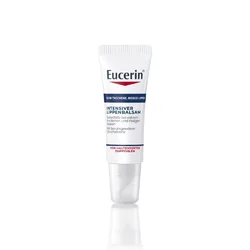
Because lips lack their own sebaceous glands, they rely entirely on external care. A rich balm with ingredients like shea butter, beeswax, jojoba oil or hyaluronic acid lays a protective film over the delicate skin and provides long-lasting moisture. In drugstores and pharmacies you can find formulas that nourish intensively without feeling sticky.
-
Use UV protection — year-round
Lips are among the areas most exposed to the sun and can burn quickly without protection. A lip balm with SPF 20-30 protects against UV damage, dryness and premature lines around the mouth. This is essential on winter ski trips and at the beach.
-
Avoid moistening your lips with your tongue
Even if it feels pleasant briefly: saliva evaporates and removes additional moisture from the skin. The result is even drier, chapped and more sensitive lips. Regularly applying lip care is far more effective.
-
Include a gentle lip scrub in your routine
A scrub once a week removes dead skin flakes and makes the lips receptive to care again. Fine scrubs from the drugstore or DIY mixes of honey and sugar work equally well — the key is to be gentle and to pause if there are open cracks.
-
Protect your lips in winter with especially rich formulas
Cold, wind and heated indoor air strip the skin of oils and moisture. Oily, water-free balms or lip oils provide intensive protection and prevent chapped corners of the mouth. Products with panthenol or bisabolol also soothe irritated areas.
-
Treat extremely dry or cracked lips with masks and serums
For severely stressed lips, overnight masks, regenerating lip serums or natural oils like coconut, olive or argan oil help. They supply nutrients immediately and restore softness and suppleness within a few days.
-
Drink enough and maintain a vitamin-rich diet
Dry lips can also be a sign of dehydration or a need for vitamin B2. Two litres of water a day, plus foods such as broccoli, dairy products or whole grains support skin health. Vitamin E and iron also play an important role for plump, smooth lips.
-
Ensure sufficient humidity indoors
Heated indoor air dries out lips particularly quickly. Humidifiers or damp cloths on radiators create a healthy indoor climate — ideal for sensitive lips prone to dryness. This helps retain moisture in the skin for longer.
-
Always remove make-up thoroughly — and apply colour only to well-cared-for lips
Lipsticks, especially matte or long-wear variants, adhere better and look smoother when lips are soft and cared for. Use gentle products for removal and follow with a caring product immediately.
-
Watch your lips — and have persistent problems checked
If lips remain very dry, inflamed or cracked despite good care, allergies, vitamin deficiencies or other health causes may be involved. A visit to a dermatologist can help find suitable solutions and select the right care.