Lip balm
10 tips to leave chapped lips no chance
-
Rely on natural moisturisers
Natural ingredients such as aloe vera, honey, shea or cocoa butter provide deep hydration to the lips. Aloe vera soothes irritated skin, while honey has antibacterial properties and helps small cracks heal faster.
-
Protect your lips with a nourishing lipid film
Because the lips do not have their own sebaceous glands, they need a protective fatty layer. Beeswax is especially suitable as it acts like a natural barrier, locking in moisture and shielding against wind, cold and dry indoor heating air. Choose balms with plant oils or waxes — they care gently and sustainably.
-
Choose soothing and healing actives for irritated lips
Sensitive or chapped lips benefit from anti-inflammatory ingredients like dexpanthenol or calendula. These support skin regeneration and relieve tightness. Medically oriented lip care products are particularly recommended — they provide reliable protection for acute issues.
-
Opt for clean, minimalist formulations
Since we unintentionally ingest some of our lip balm, go for products whose ingredients you can accept without concern. Avoid balms containing mineral oil, paraffin, synthetic fragrances or alcohol, as they can dry lips out over time. Natural formulations tend to nourish more intensively and are better tolerated.
-
Care for your lips regularly
Don't wait until lips are already dry, rough or painful. Apply your lip balm several times a day, especially before bedtime, when outdoors, or after eating. Early care helps prevent inflammation and micro-cracks.
-
Include UV protection in your daily lip care
Lips contain no melanin and are therefore particularly sensitive to UV radiation. A lip balm with sun protection factor shields against sun damage, pigmentation issues and drying out. Ideal for summer, ski trips or everyday use — UV rays still have an effect on cloudy days.
-
Avoid drying rituals
Although moistening with the tongue gives brief relief, saliva dries the skin in the long run. Train yourself to apply a nourishing balm instead. Products with shea or jojoba oil help prevent the temptation to re-moisten the lips.
-
Adjust lip care to the season and your skin type
In winter, lips need rich, wax-containing balms, while in summer lighter textures with UV protection are more suitable. For sensitive skin, choose hypoallergenic natural products; for very dry lips, opt for intensively regenerating formulas with dexpanthenol or vitamin E.
-
Use tinted lip care as a gentle alternative to lipstick
Tinted lip balms combine care and colour in one product — ideal if you want a touch of freshness without weighing down the lips. Make sure the colour comes from natural pigments. With irritated or chapped lips, temporarily switch to fragrance-free, colourless variants.
-
Boost effectiveness with correct application
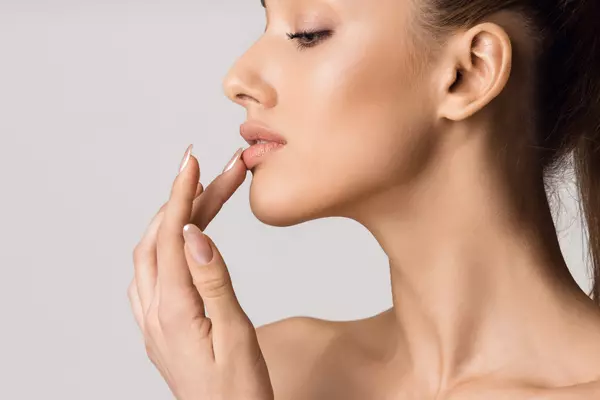
Wash your hands before application, apply a small amount of balm from the centre of the lips outwards and massage in gently. In the evening, it is advisable to use a bit more product and leave it on like an overnight lip mask. A weekly gentle lip scrub also helps remove dead skin cells and improve active ingredient absorption.