Exfoliation
10 tips to visibly speed up your skin renewal
-
Choose the exfoliant that truly suits your skin type
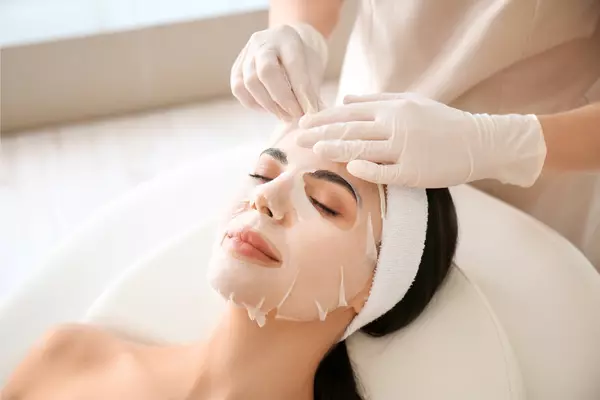
Your skin reacts very differently depending on its type – so choosing the right product is crucial. Normal skin tolerates wash‑off scrubs and peel‑off masks well; dry skin benefits from very fine, rounded particles. Oily or blemish‑prone skin responds especially well to exfoliants with BHA (salicylic acid) or micro‑beads that remove excess sebum. A suitable product delivers noticeably better and faster results.
-
Exfoliate regularly but gently – at most two to three times a week
An exfoliant acts like a small reset for the skin – but too frequent or too vigorous rubbing irritates it unnecessarily. Gentle circular movements are enough to loosen dead skin cells. If you notice redness or tightness, give your skin a break. This keeps the skin barrier stable and makes exfoliation particularly effective.
-
Cleanse your face thoroughly beforehand – for a hygienic result
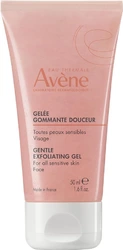
Make‑up, sebum and dirt residues should be completely removed before exfoliating so that no particles are rubbed into the skin. Use a mild cleansing gel or a pharmacy lotion for this. Well‑cleansed skin absorbs actives better and reacts less sensitively.
-
Use chemical peels correctly – follow the instructions and preferably apply in the evening
AHA, BHA and PHA peels work without grains and gently dissolve dead cells using acids. As they can make the skin slightly more light‑sensitive, use them preferably in the evening and apply SPF 30 or higher the next day. Observe the exposure time carefully – this way you benefit optimally without stressing the skin.
-
Moisturise your skin well after exfoliating
After exfoliation the skin is particularly receptive. A moisturiser, a soothing serum or a hydrating mask ideally supports regeneration. Products with hyaluronic acid, panthenol or aloe vera are excellent for calming and smoothing the skin.
-
Use exfoliants on the body too – especially on rough areas
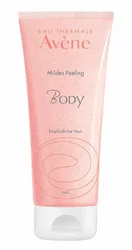
Elbows, knees, heels or dry shins benefit greatly from a regular body exfoliation. Shower scrubs, exfoliating oils or exfoliating gloves remove dry skin and provide a smooth surface. However, if the skin is cracked, inflamed or irritated, a pause is necessary until it has calmed down.
-
Target clogged pores if you have oily or blemish‑prone skin
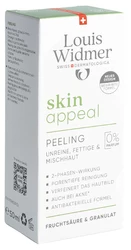
Mechanical scrubs or products with salicylic acid help dissolve sebum deposits and reduce blackheads. Salicylic acid has antibacterial and anti‑inflammatory properties – a particularly helpful ingredient for acne‑prone skin. Inflamed or open pimples should never be exfoliated to avoid irritation.
-
Also pamper the lips – for a soft, smooth feel
Lip scrubs are a small but effective step. They gently remove dry flakes and make lip care and lipstick apply more evenly. Especially in winter or in dry heated indoor air, this is a real beauty booster.
-
Pay attention to the correct application technique
Always apply the exfoliant to slightly damp skin and massage it in for a maximum of 30 seconds. The T‑zone can be treated a little more intensively, cheeks and neck more gently. Rinse off afterwards with warm water. This precise application protects the skin barrier and yields the best results.
-
Rely on expert advice – if in doubt or if you have sensitive skin
If your skin is particularly dry, sensitive or irritated for medical reasons (e.g. atopic dermatitis, active acne or diabetes), consult a doctor beforehand. Dermatologists and pharmacy professionals can help you choose the ideal exfoliant and avoid mistakes. That way you combine safety with visible effectiveness.