Menopause
10 tips for your new life phase
- \n
- \n
Immediate measures for hot flashes
\n \n
When a hot flash starts, cool wrists or a cold washcloth can help. The faster you act, the greater the effect. Short contrast showers or the Kneipp method can also quickly reduce the sensation of heat and provide relief.
\n- \n
- \n
Dress in layers with breathable fabrics
\n \n
Multiple thin layers allow for quick on-and-off when hot flashes occur suddenly. Choose breathable materials such as linen or performance fabrics to better regulate body temperature.
\n- \n
- \n
Fiber for gut health and well‑being
\n \n
Aim for a daily intake of about 30 g of fibre. Good sources are wholegrain muesli, raw vegetables, legumes and nuts. Fermented foods like yoghurt or sauerkraut can additionally stimulate digestion – use them in moderation if needed.
\n- \n
- \n
Avoid highly processed fats, too much sugar and artificial sweeteners
\n \n
Trans fats and many ready-made products promote weight gain and cardiovascular risk factors. Prefer complex carbohydrates from whole grains, fruit and vegetables, and drink water rather than sugary beverages.
\n- \n
- \n
Focus on protein-rich foods
\n \n
Eat eggs, dairy, fish or lean meat and plant-based alternatives such as soy, legumes and nuts throughout the day. This helps counteract age-related muscle loss.
\n- \n
- \n
Choose heart-healthy fats and omega‑3 sources
\n \n
Omega‑3 fatty acids from salmon, herring or mackerel support the heart and blood vessels, while olive oil, walnut or linseed oil provide unsaturated fats. Use these instead of hydrogenated fats in cooking.
\n- \n
- \n
Adjust your calorie intake and activity to your changed needs
\n \n
With increasing age, energy requirements often fall by up to 400 kcal per day. Monitor your weight, reduce "empty calories" and combine an adjusted diet with physical activity to prevent weight gain.
\n- \n
- \n
Be active regularly in everyday life
\n \n
Incorporate movement into daily life, for example through walks, cycling, taking stairs or hiking, depending on fitness. Hiking and cross‑country skiing are particularly good for strengthening body and mind. Start slowly and increase intensity gradually.
\n- \n
- \n
Combine endurance and strength training
\n \n
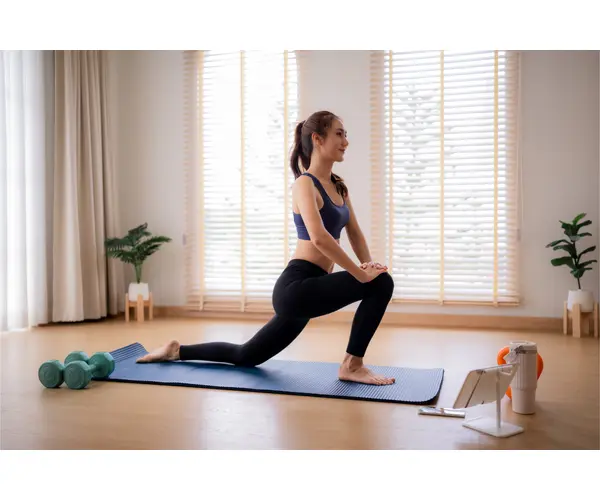
A balanced mix of both types of training promotes muscle mass and bone health. Two strength sessions per week (e.g. with resistance bands or dumbbells) combined with endurance activities like swimming or brisk walking improve metabolism and mobility.
\n- \n
- Support the adrenals and stress resilience \n
Stress increases cortisol production and can worsen hormonal complaints. Pay attention to good sleep, regular physical activity and relaxation practices. Sources mention B vitamins, magnesium, selenium and vitamins C and D as supportive.